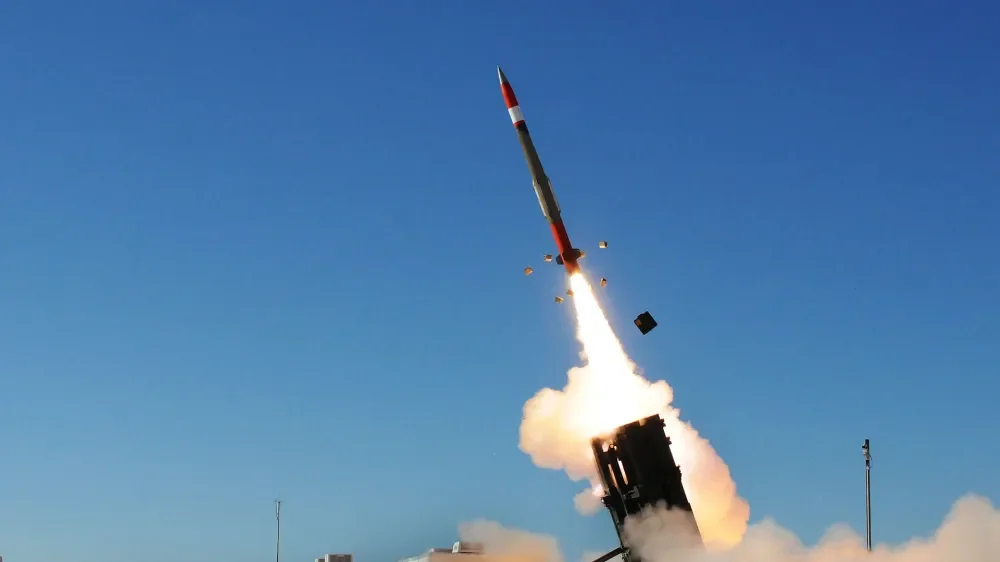

The ongoing conflict between the United States and Iran has triggered intense missile exchanges, raising serious concerns about the sustainability of American missile interceptors. In recent days, US forces have reportedly shot down hundreds of Iranian ballistic missiles aimed at American bases and allied targets across the Middle East. While these interceptions have successfully protected troops and regional stability, they are rapidly depleting critical defense stockpiles.
According to General Dan Caine, the top US military officer, American systems have intercepted a significant number of missiles since the fighting began. These high tech defense systems have proven effective, but they rely on expensive interceptors that are not produced in unlimited quantities. Defense analysts warn that if the conflict continues for weeks, the United States and its partners could face shortages before Iran runs out of missiles.
At the start of the conflict, Israel estimated that Iran possessed approximately 2,500 ballistic missiles. Experts suggest that this number may exceed the combined interceptor inventories of both the United States and Israel. As a result, the battle has evolved into a strategic race between Iran’s missile launch capability and American and Israeli strikes targeting launchers and storage facilities.
Although Iranian drones also pose a threat, specialists say the most pressing concern involves ballistic missile defense systems. Production of interceptors is struggling to keep pace with demand across multiple regions, including Europe, the Indo Pacific, and the Middle East. Analysts emphasize that prolonged fighting could strain US military readiness in other global theaters.
Former President Donald Trump indicated that the conflict could last several weeks but claimed progress has been faster than expected. Pentagon officials have offered varying timelines, reflecting uncertainty over how long hostilities may continue.
Ultimately, the durability of US air defense systems will depend on both battlefield effectiveness and the pace of replenishing interceptor supplies.