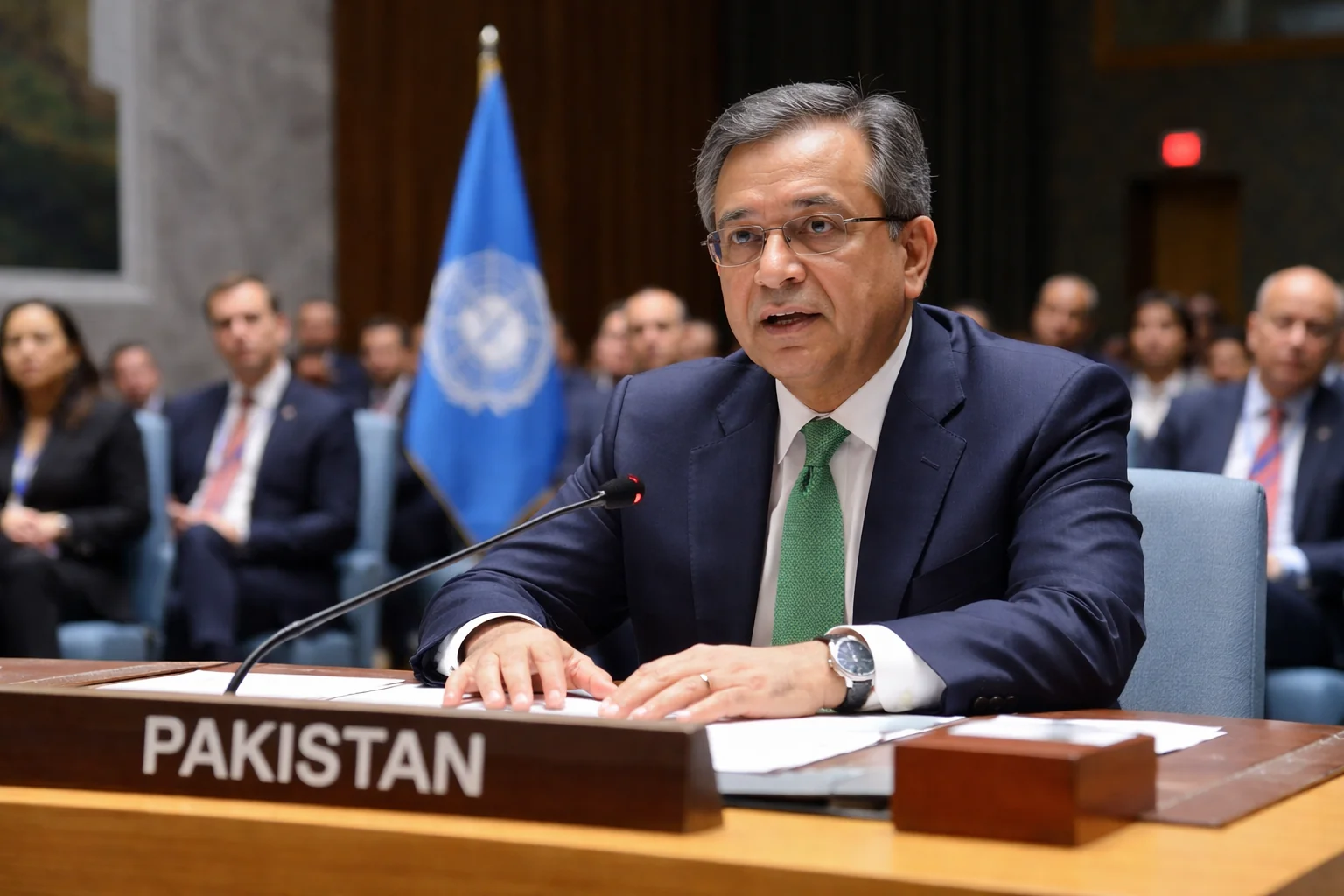

Pakistan has urged the international community to prioritize peaceful dialogue and immediate de escalation in the Middle East conflict, warning about its growing humanitarian and economic consequences. During a meeting of the United Nations Security Council, Pakistan’s Permanent Representative to the United Nations, Ambassador Asim Iftikhar Ahmad, emphasized that the ongoing conflict is affecting multiple countries and putting civilian lives at risk.
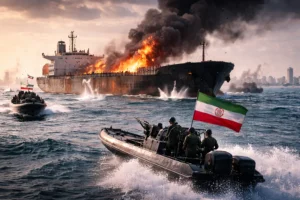
Speaking at the session, the ambassador stressed that the situation has already caused significant regional instability, while also disrupting important sectors such as energy supplies, aviation routes, and fuel availability. According to him, the crisis demonstrates how armed conflict can quickly impact not only the region but also the wider global community.
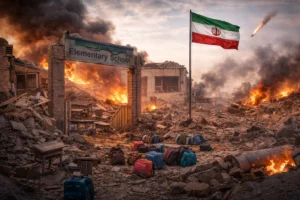
Ambassador Ahmad strongly condemned attacks on civilians and critical infrastructure, stating that such actions violate international law and undermine global peace efforts. He pointed out that ignoring international legal frameworks could worsen tensions and make diplomatic solutions more difficult to achieve. Pakistan therefore called for an immediate ceasefire and a return to meaningful negotiations between all involved parties.
Pakistan also expressed support for draft resolutions presented by Bahrain and the Russian Federation at the Security Council. These proposals encourage an end to military activities and urge all sides to resume diplomatic engagement. According to Pakistan, these resolutions reflect the need for restraint and a collective effort to reduce tensions in the region.
The ambassador also highlighted the human impact of the conflict. Reports indicate that Pakistani nationals were among the victims of attacks in the United Arab Emirates, raising concerns for millions of Pakistanis living and working in Gulf countries. In addition to the tragic loss of life, the conflict has also affected energy supply chains and transportation networks, forcing governments to take measures to conserve oil, gas, and electricity.
Pakistan reiterated its solidarity with Gulf nations, including Bahrain, Kuwait, Oman, Qatar, Saudi Arabia, the UAE, and Jordan, which have been facing security challenges during the crisis. The country also welcomed ongoing mediation efforts by various states trying to facilitate dialogue.
In conclusion, Pakistan urged all parties involved to exercise restraint, stop further military actions, and return to diplomacy and negotiations in order to achieve a lasting and peaceful resolution to the conflict.