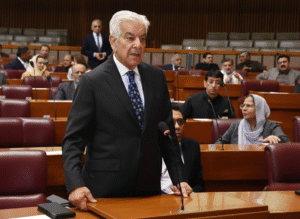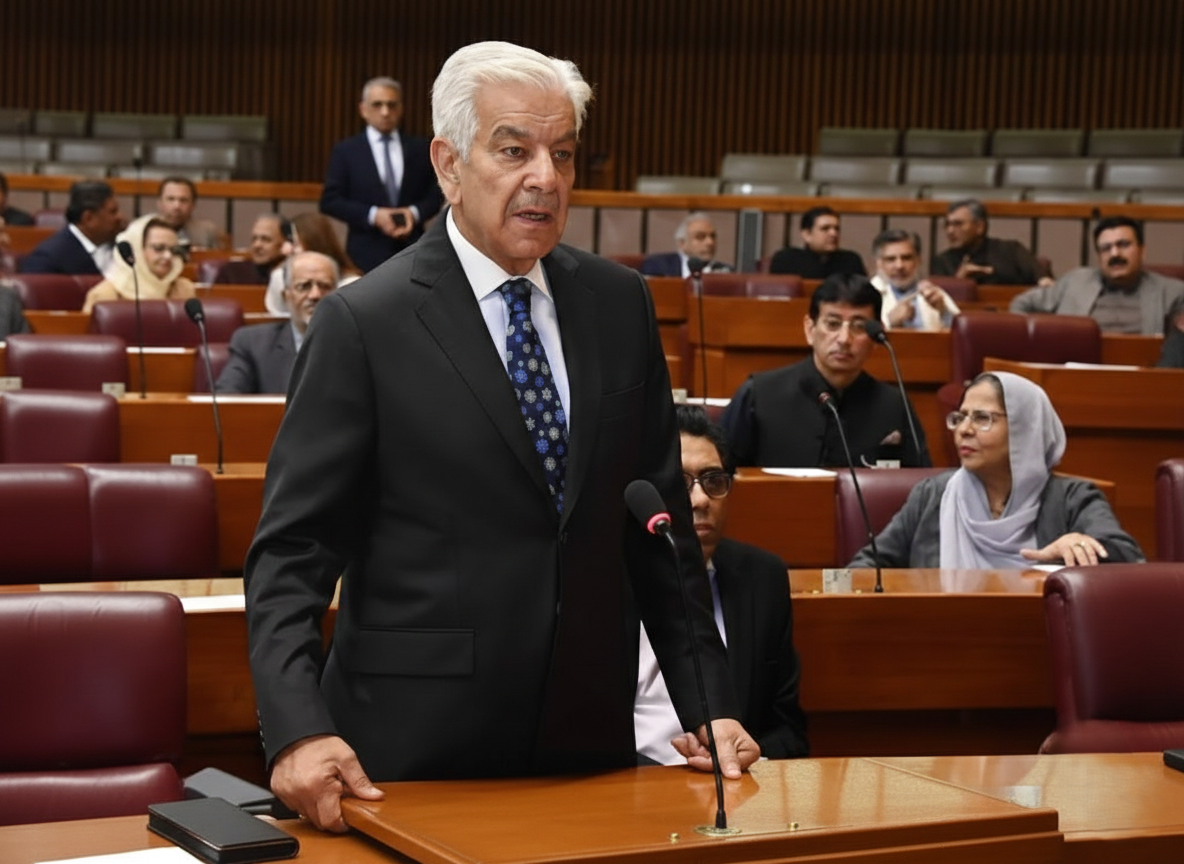

Defence Minister Khawaja Asif on Monday emphasised the importance of national unity against terrorism as the National Assembly unanimously adopted a resolution condemning the deadly attack on an imambargah in Islamabad.
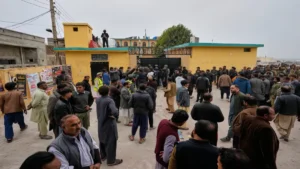
Addressing the lower house, he said political disagreements were part of democracy, but national sovereignty, territorial integrity, and state security must remain above political divisions. His remarks came after the tragic attack in Tarlai, Islamabad, during Friday prayers, which left at least 33 people martyred and dozens injured.
According to reports, the suicide bomber opened fire before detonating himself at the entrance of the imambargah, causing heavy casualties and panic among worshippers.
The defence minister urged lawmakers to resolve internal conflicts through dialogue and constitutional means. He paid tribute to the sacrifices of Pakistan’s armed forces and law enforcement agencies, while criticising attempts to use the sacrifices of martyrs for political purposes, calling it morally unacceptable.
Khawaja Asif also alleged that India, after failing to confront Pakistan directly following last year’s brief conflict, was pursuing a proxy war through terrorism. He warned that certain internal elements were being exploited to serve external agendas.
Referring to Pakistan–Afghanistan relations, he said Islamabad had repeatedly raised concerns about terrorist sanctuaries and engaged the Afghan Taliban government through multiple diplomatic channels, including Doha, Riyadh, and Jeddah. While Afghan authorities acknowledged Pakistan’s concerns, he said they failed to guarantee that militants would not regroup and re-enter Pakistan.
He further recalled that Pakistan had hosted millions of Afghan refugees for decades, describing it as a humanitarian duty carried out at high economic and security cost. He alleged some militant groups operating from Afghan territory were backed by foreign actors seeking to destabilise Pakistan.
During the same session, the National Assembly unanimously passed a resolution condemning the suicide attack, declaring it a direct assault on the Constitution of Pakistan, religious freedom, national security, and interfaith harmony.
The House demanded that the attacker, along with all facilitators, planners, and sponsors, be brought to justice without delay. It pledged full support to investigative agencies, intelligence institutions, forensic bodies, and the judicial system to ensure decisive action against terrorism.
The resolution also called for a comprehensive and permanent security plan to protect places of worship, especially mosques and other religious sites. Lawmakers urged the government to provide financial compensation to the families of martyrs and ensure the best possible medical treatment for the injured.
Reaffirming its commitment, the National Assembly declared there was no space for terrorism, sectarianism, or hate-based violence in Pakistan, stressing national unity and collective responsibility in confronting extremist threats.