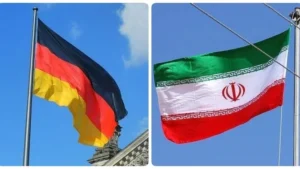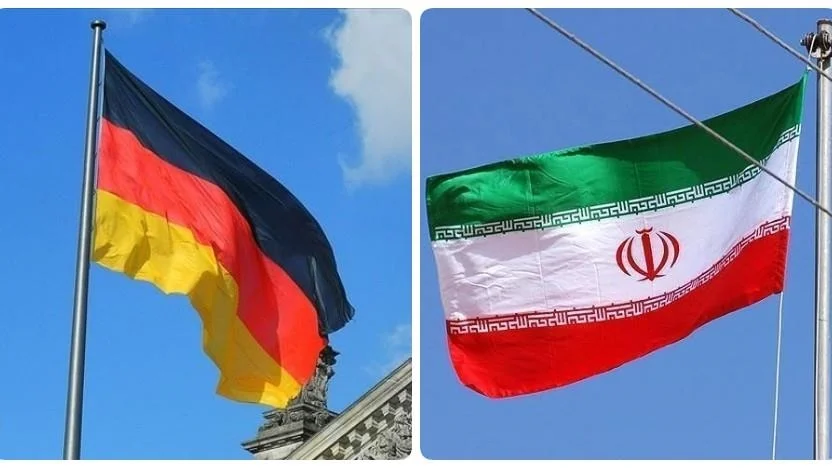

Diplomatic Iran Germany tensions have intensified after Tehran summoned the German ambassador designate in response to what it described as anti Iranian activities and hostile political statements in Germany. According to Iranian state media, the meeting took place at the Foreign Ministry in Tehran, where German diplomat Axel Dittmann was formally informed of the government’s protest. German officials later confirmed the summoning but did not release further details.
The diplomatic move follows a massive public demonstration held in Munich, where around 250,000 people gathered to protest against Iran’s crackdown on anti government demonstrations. Police described it as the largest Iran related protest ever recorded in Germany. Several German politicians publicly expressed solidarity with the protesters, further straining relations between the two countries.
During the rally, participants voiced support for Reza Pahlavi, the son of Iran’s last shah who was overthrown in 1979. Now living in exile in the United States, Pahlavi addressed the crowd in person and called for a democratic transformation in Iran through free and fair elections. He thanked international supporters and stressed that the Iranian people are not alone in their struggle.
Human rights group HRANA reported that more than 7,000 people were killed during the crackdown on protests that began in late December due to severe economic conditions. The unrest reached its peak in early January before gradually subsiding, although activists continue to document casualties and fear that the death toll may rise further.
German Chancellor Friedrich Merz has also criticized Iran’s leadership, stating that the widespread protests signal a demand for political change. As public pressure grows in Europe and tensions mount diplomatically, the relationship between Tehran and Berlin appears increasingly fragile.