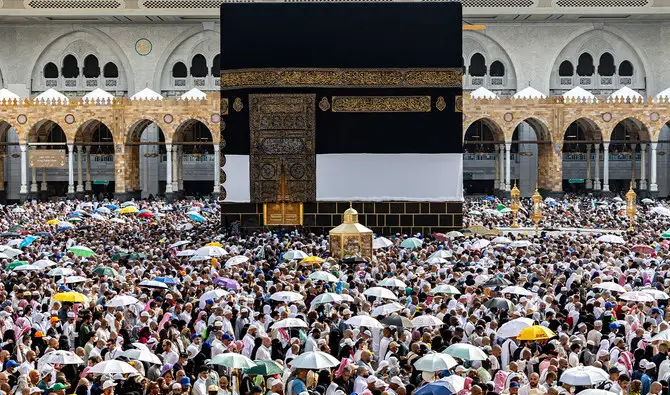

Saudi Arabia has introduced new medical guidelines for Hajj 2026, aiming to make the pilgrimage safer, more organized, and better prepared for the millions who visit each year. These steps are not restrictions but a way to help every pilgrim complete their spiritual journey with health, dignity, and proper care.
1. Prioritizing Pilgrim Safety
With millions visiting annually, many struggle with heat, long walking routes, and crowded surroundings. The updated rules ensure that only medically fit individuals undertake Hajj, reducing health risks during the demanding rituals.
2. Mandatory Medical Fitness Certificates
All pilgrims must now obtain a simple medical fitness certificate before traveling. Doctors will evaluate basic health conditions and advise travelers honestly. This helps prevent sudden emergencies and identifies issues that could worsen during Hajj.
3. Guidance for High Risk Patients
Individuals with severe heart issues, advanced organ diseases, contagious illnesses, or significant mental health conditions are encouraged to postpone their pilgrimage. The goal is protection, ensuring they perform Hajj only when their health allows it.
4. Expanded Healthcare Services During Hajj
Saudi authorities are increasing on ground medical support with mobile clinics, emergency teams, and 24/7 treatment units across holy sites, ensuring pilgrims receive immediate care whenever needed.
5. A Safer, More Peaceful Hajj Experience
With better preparation and clearer health checks, Hajj 2026 is expected to be safer, smoother, and more spiritually fulfilling for pilgrims worldwide.