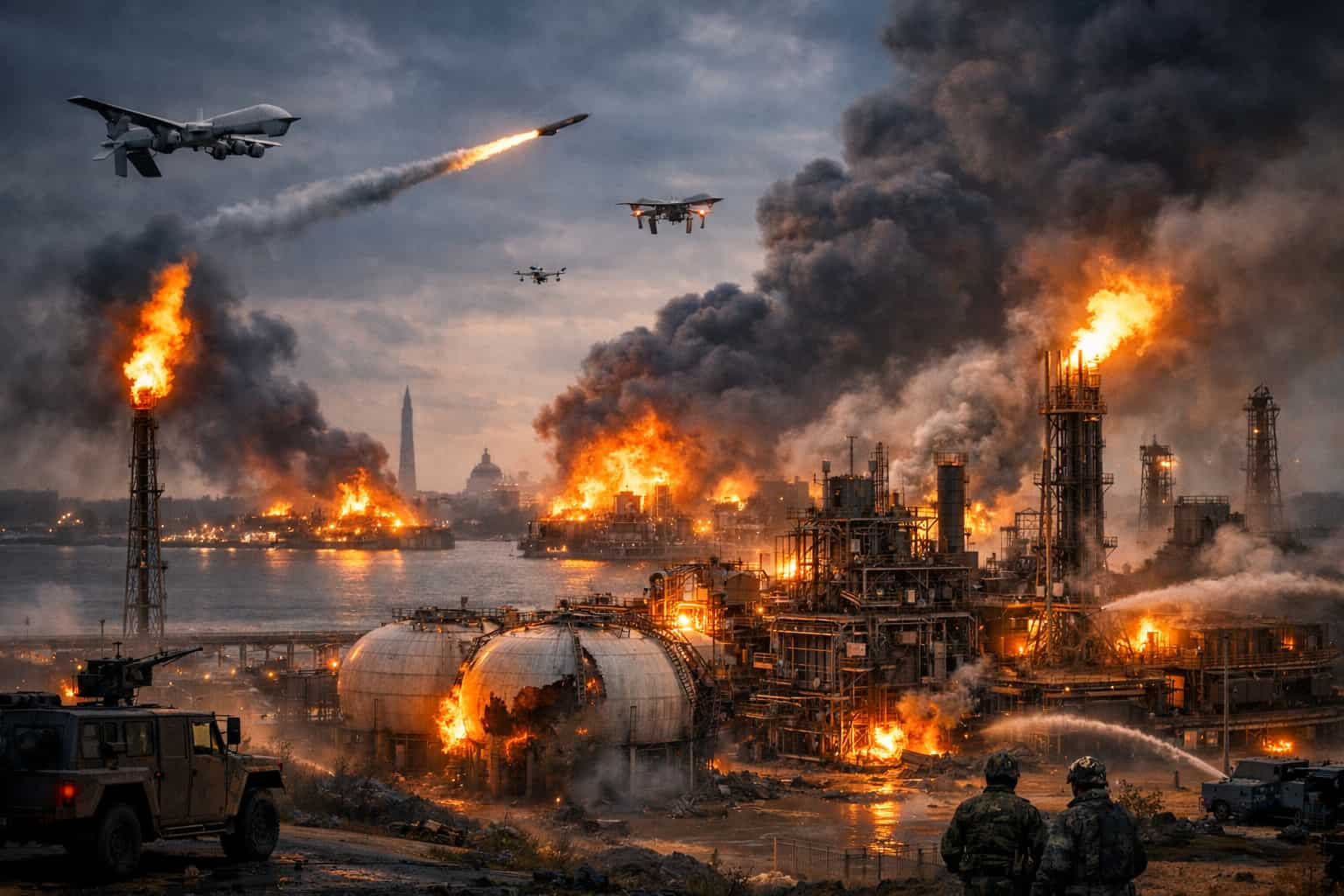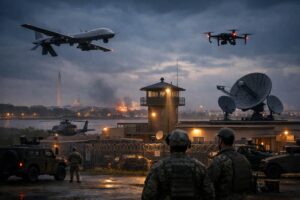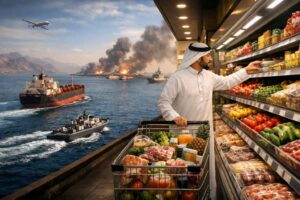

The Middle East is facing one of its most dangerous escalations in recent years as Iran vowed to strike oil and gas targets across the Gulf region after accusing Israel of attacking its facilities in the South Pars gas field, the world’s largest shared natural gas deposit. This conflict has already caused massive disruption in global energy supplies, sending oil prices soaring and rattling international markets.
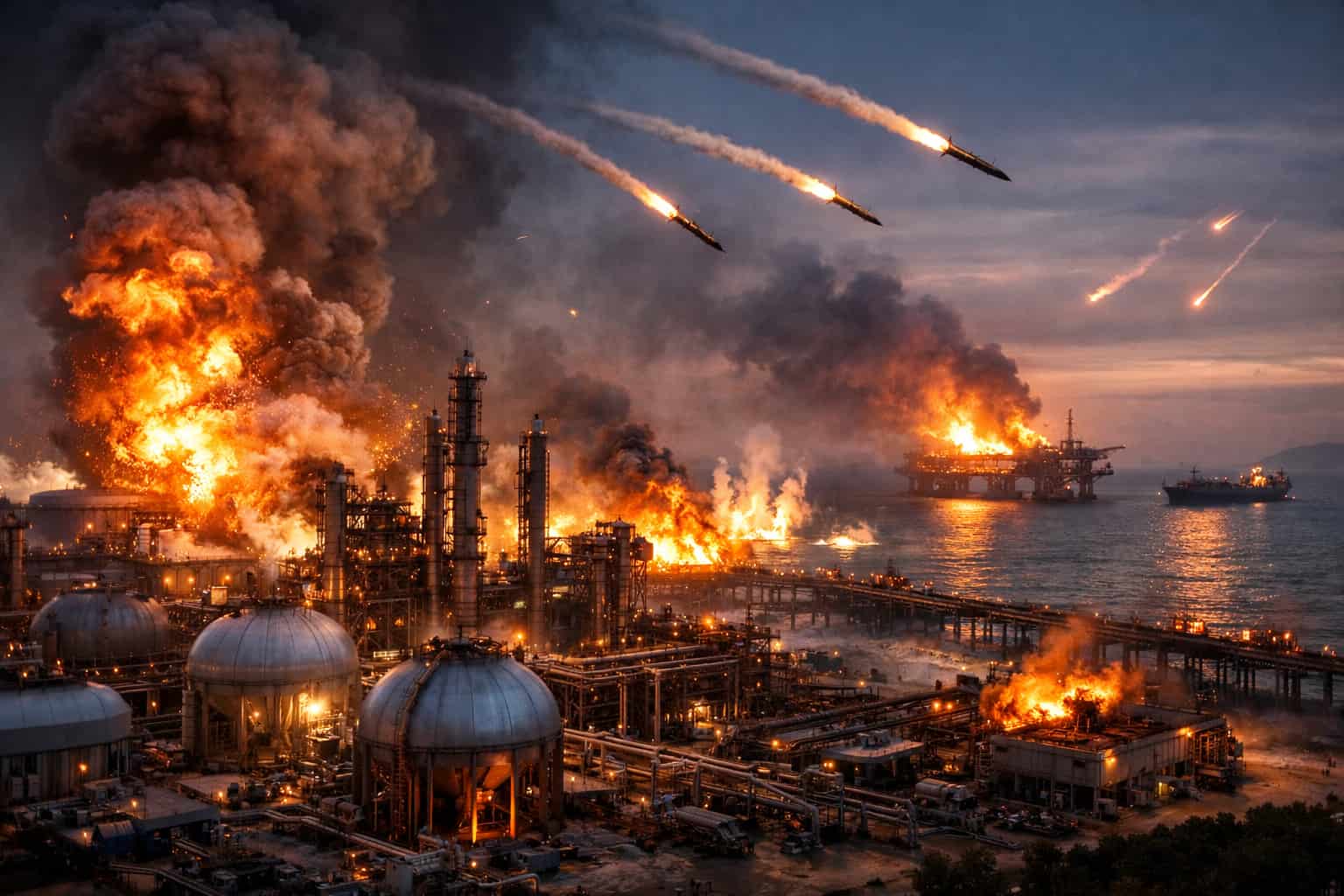
On Wednesday, QatarEnergy confirmed “extensive damage” at the Ras Laffan Industrial City following Iranian missile strikes. Meanwhile, Saudi Arabia reported intercepting multiple ballistic missiles aimed at Riyadh and a drone attack on a gas facility in its eastern province. The Qatari Foreign Ministry condemned both Israel’s “dangerous and irresponsible” strike and Iran’s “flagrant breach” of international law, expelling senior Iranian diplomats in response.
The South Pars field, shared between Iran and Qatar, has become the focal point of this confrontation. Analysts warn that the targeting of civilian energy infrastructure could lead to long-term damage in the Gulf, halting shipping routes and threatening the Strait of Hormuz, which handles nearly 20% of global oil and liquefied natural gas supply. Brent crude prices surged above $108, while stock markets dropped sharply.
The United States and Israel had previously avoided striking Iranian energy facilities to prevent retaliation against neighboring states. However, reports suggest Washington was aware of Israel’s latest operation. In response, Iran listed several regional energy hubs in Saudi Arabia, Qatar, and the UAE as “direct and legitimate targets,” urging immediate evacuation.
With thousands already killed across Iran, Lebanon, and the Gulf, the situation has spiraled into a humanitarian crisis. European leaders and France’s President Emmanuel Macron have called for a halt to attacks on civilian infrastructure, stressing the urgent need for diplomacy. Yet, as both sides intensify strikes, the risk of wider regional war grows, leaving the future of global energy security hanging in the balance.