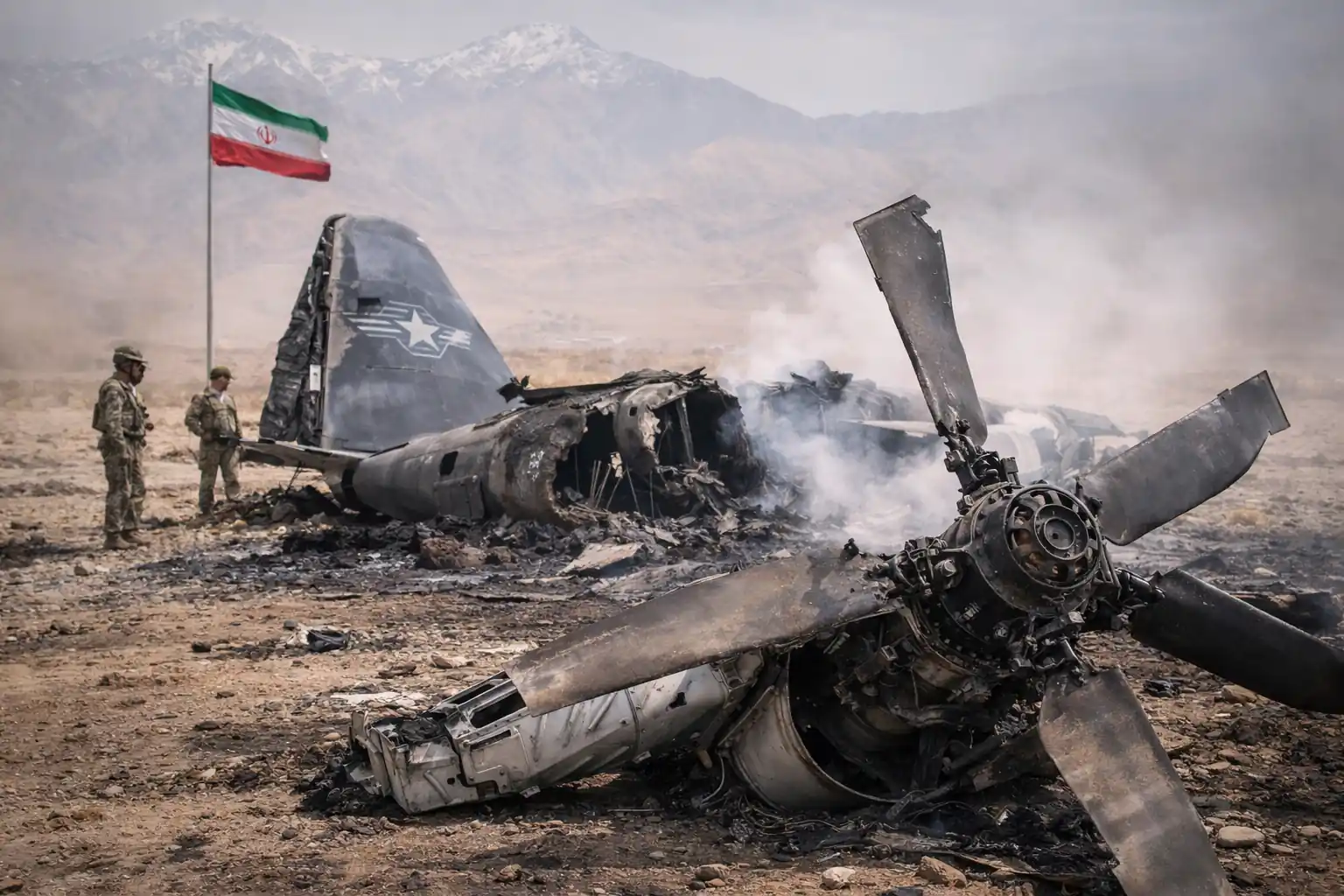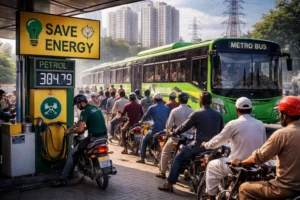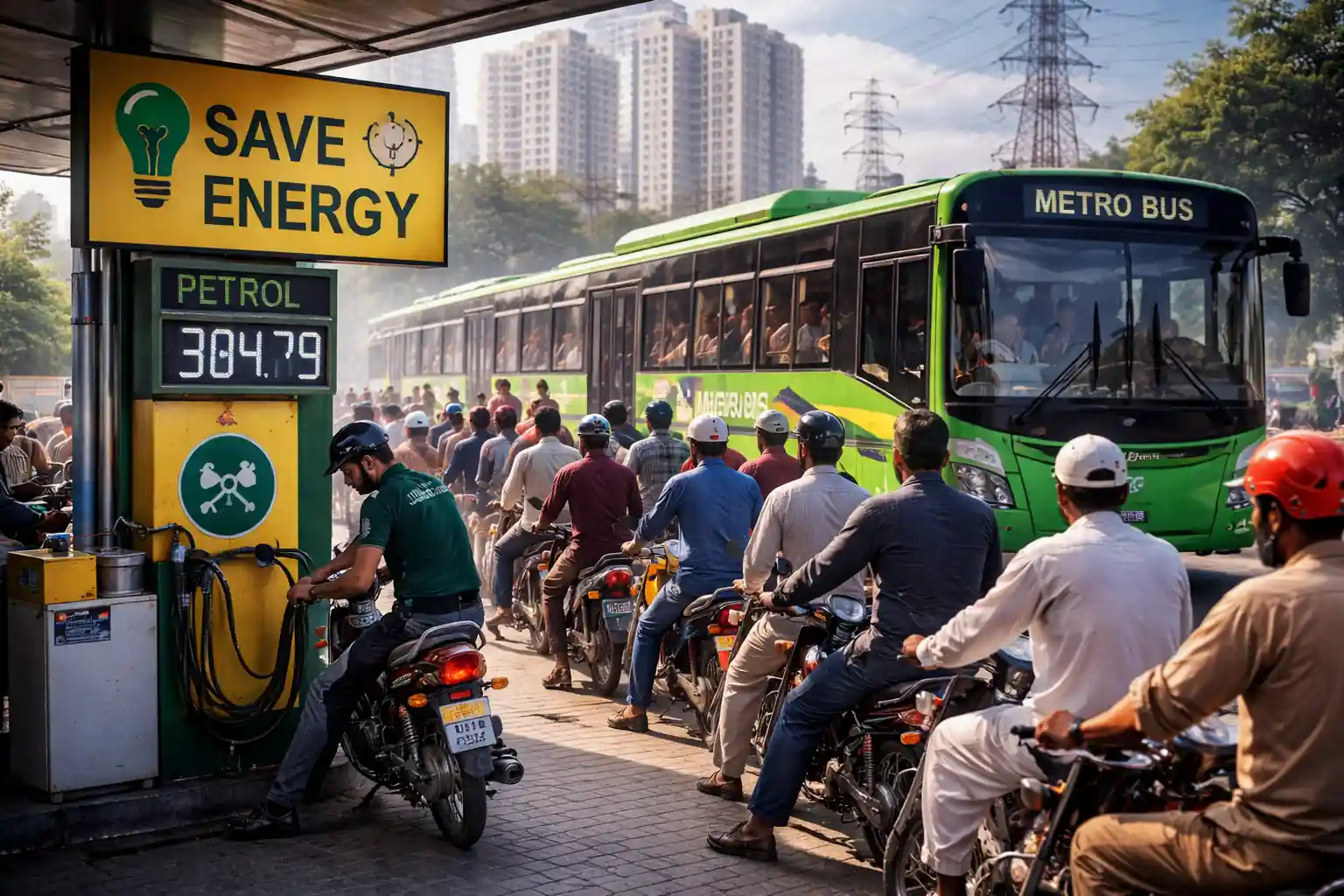

As the global energy crisis intensifies due to ongoing geopolitical tensions, including the US Israel conflict involving Iran, countries around the world are facing rising fuel prices. In response, Pakistan has introduced wide-ranging measures at both federal and provincial levels to manage the situation and provide relief to citizens.
The federal government has implemented strict austerity measures to reduce energy consumption. These include a four-day work week, work from home policies, and a ban on official dinners and unnecessary spending. Additionally, there is a 50 percent reduction in fuel usage for government operations, along with a 20 percent cut in overall expenditures excluding salaries. Public representatives have also taken a hit, with salary reductions and voluntary pay cuts introduced.
To ease the burden on the public, the government has reduced the petrol levy by Rs80 per litre and ensured that public transport remains free in Islamabad for 30 days. Meanwhile, Pakistan Railways has absorbed costs to prevent fare increases.
At the provincial level, Punjab has taken a relief-focused approach by making public transport completely free and offering fuel subsidies to farmers and motorcyclists. Similarly, Sindh has introduced direct financial assistance for transporters and farmers, along with fuel subsidies and frozen transport fares.
In Khyber Pakhtunkhwa, authorities have focused on energy conservation, enforcing early market closures, limiting lighting usage, and restricting non-essential electricity consumption. Balochistan has also adopted similar steps, including early closing times for markets and events.
These combined efforts aim to reduce fuel consumption, manage limited resources, and support vulnerable groups during a challenging period. The government has urged citizens to cooperate with these measures, emphasizing that collective responsibility is key to overcoming the ongoing energy crisis in Pakistan.