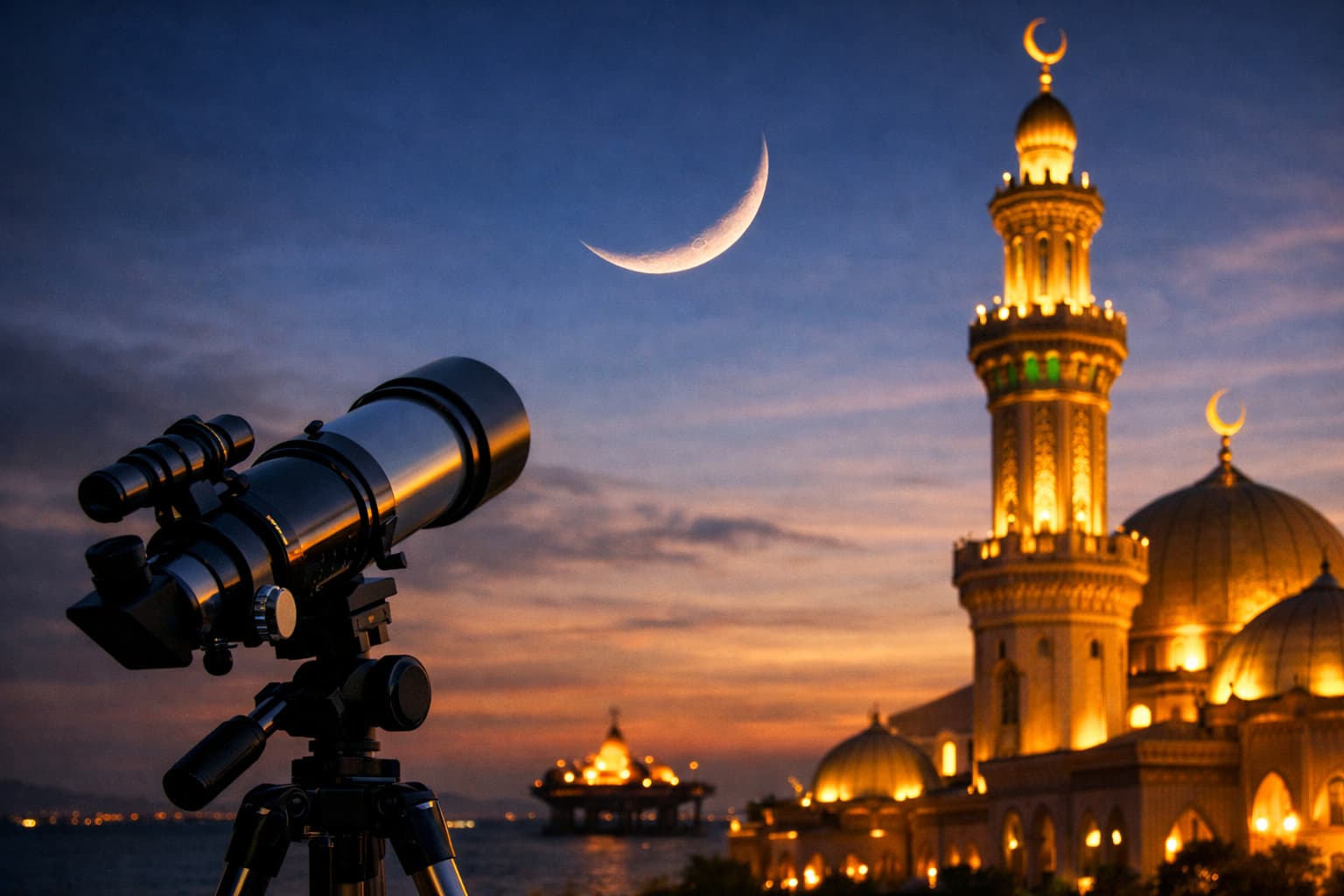

Saudi Arabia and the United Arab Emirates (UAE) have officially announced that Eid ul Fitr will be celebrated on Friday, March 20, as the Shawwal moon was not sighted on Wednesday evening. The Saudi Supreme Court confirmed that Thursday marks the completion of 30 days of Ramadan, making Friday the first day of the blessed Eid ul Fitr.
Other Gulf nations, including Bahrain, also reported no sighting of the crescent moon, aligning their Eid celebrations with Saudi Arabia and the UAE. The crescent moon, which marks the beginning of Shawwal, is a key indicator in the Islamic lunar calendar for determining the end of Ramadan.
Eid ul Fitr is a significant religious holiday for Muslims worldwide, symbolizing the end of a month-long period of fasting, prayer, and charity. It is one of the most joyous occasions in the Islamic calendar, where families gather, share meals, and give Zakat al-Fitr to those in need.
However, this year’s celebrations are overshadowed by the ongoing conflict in the Middle East, which has deeply affected the region. The war, triggered by US and Israeli attacks on Iran, has led to widespread Iranian retaliation across the Gulf. Ballistic missiles and drone strikes have targeted airports, residential areas, energy facilities, and military bases, causing fear and disruption during what is usually a peaceful and festive time.
Despite the turmoil, many Muslims are preparing to observe Eid with prayers and gatherings, hoping for peace and stability. Religious authorities have urged communities to remain vigilant and prioritize safety while maintaining the spirit of unity and compassion that defines Eid.
As the moon remains unseen, the faithful across the Gulf will wait one more day before marking the end of Ramadan and welcoming Eid ul Fitr with prayers, reflection, and hope for a better tomorrow.