
The Federal Government of Pakistan has taken a significant step toward building a secure and unified identity system by upgrading the framework of the National Identity Card (NIC) and Pakistan Origin Card (POC) under the vision of One Nation One Identity. The reforms, officially notified through new amendments published in the Gazette on February 24, 2026, aim to modernize the country’s identity infrastructure through advanced digital technology and stronger security features.
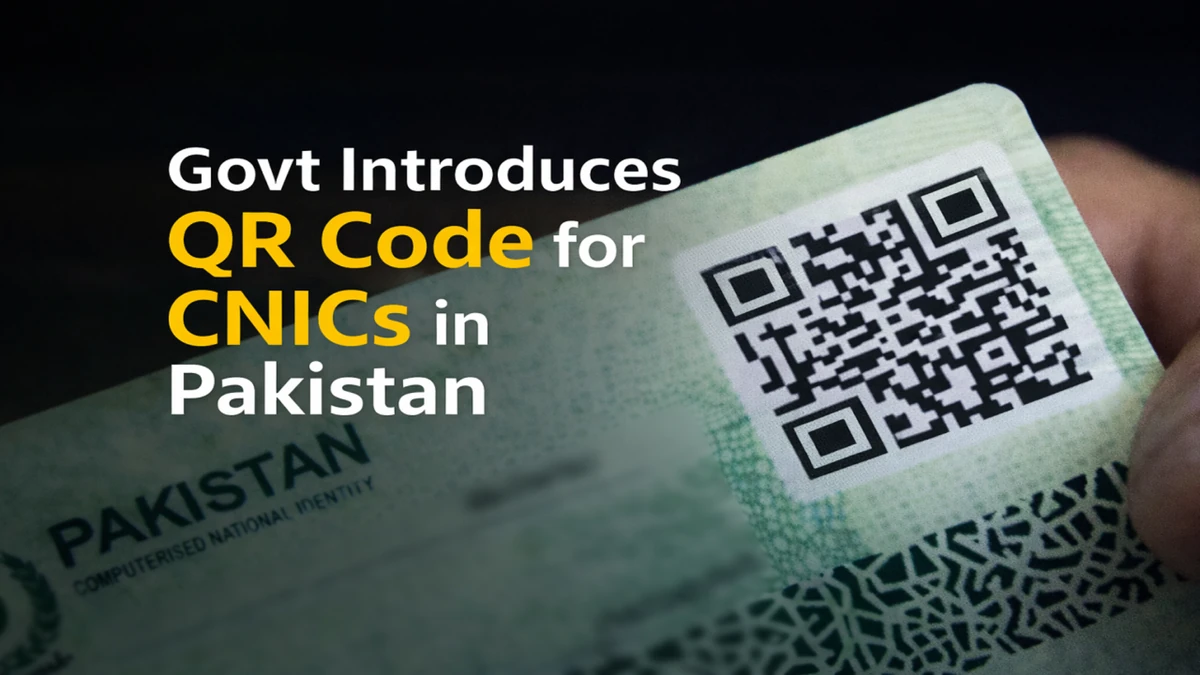
One of the most important developments is the introduction of QR code verification across identity documents. The newly defined QR code acts as a secure, machine readable barcode that stores encoded identity information. This allows authorities and institutions to instantly verify a citizen’s identity through scanning, improving both speed and reliability. The updated rules also empower NADRA to introduce additional technological features in the future without requiring repeated legal amendments.
Another major change is the move toward a uniform identity card system, replacing the previous chip and non chip card formats. The new QR based structure strengthens Pakistan’s Digital ID ecosystem, enabling faster online and offline verification while reducing manual processes and minimizing risks related to fraud or impersonation.
The government has also strengthened fraud prevention measures. If an identity card is suspended, all authentication and verification services linked to that card will automatically stop, preventing misuse across digital and institutional platforms. Security has further improved with the formal inclusion of fingerprint and iris scan authentication, marking a shift toward multi modal biometric verification.
In a citizen friendly initiative, individuals aged 60 years and above will now receive lifetime validity identity cards featuring a special senior citizen logo, eliminating repeated renewal requirements. The amendments also introduce standardized identification for residents of Azad Jammu and Kashmir, ensuring clarity in residency status.
Overall, these reforms enhance digital trust, security, and service delivery, preparing Pakistan for a more efficient and future ready digital governance system.