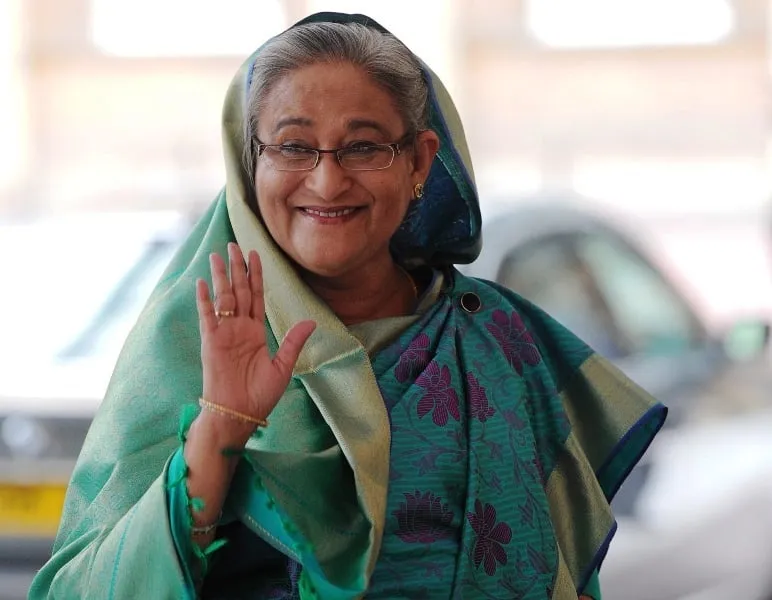

A special tribunal in Bangladesh has delivered a major judgment against former Prime Minister Sheikh Hasina Wajid, announcing a life imprisonment sentence after declaring her guilty of crimes against humanity.
The ruling follows a lengthy investigation into incidents of violence that occurred during her tenure.
In a separate case that ran parallel to the main trial, the tribunal also issued a death sentence in her absence. These decisions have sent shockwaves through the country, triggering widespread discussion and deepening political divides. Some observers describe the ruling as unprecedented, while others fear it may escalate existing tensions.
According to the tribunal, the charges stem from the government’s response to protests and unrest, where severe violence and significant human rights violations were alleged.
The court noted that the actions taken under her administration caused serious harm and could not be dismissed. Because Hasina did not appear for the hearings, the verdicts were delivered without her direct involvement.
Sheikh Hasina has been abroad since stepping down from power, and her legal representatives have firmly denied all accusations. They argue the cases are politically driven and intended to damage her legacy. Supporters point to her role in advancing national development and maintaining stability, while critics claim the verdict highlights long-standing concerns about misuse of authority.
The tribunal’s decision represents one of the most consequential legal measures ever taken against a former Bangladeshi leader. It raises important questions regarding accountability, justice, and the country’s political future.
As developments unfold, the public and political observers are closely watching how these rulings will influence Bangladesh’s path in the months and years ahead.