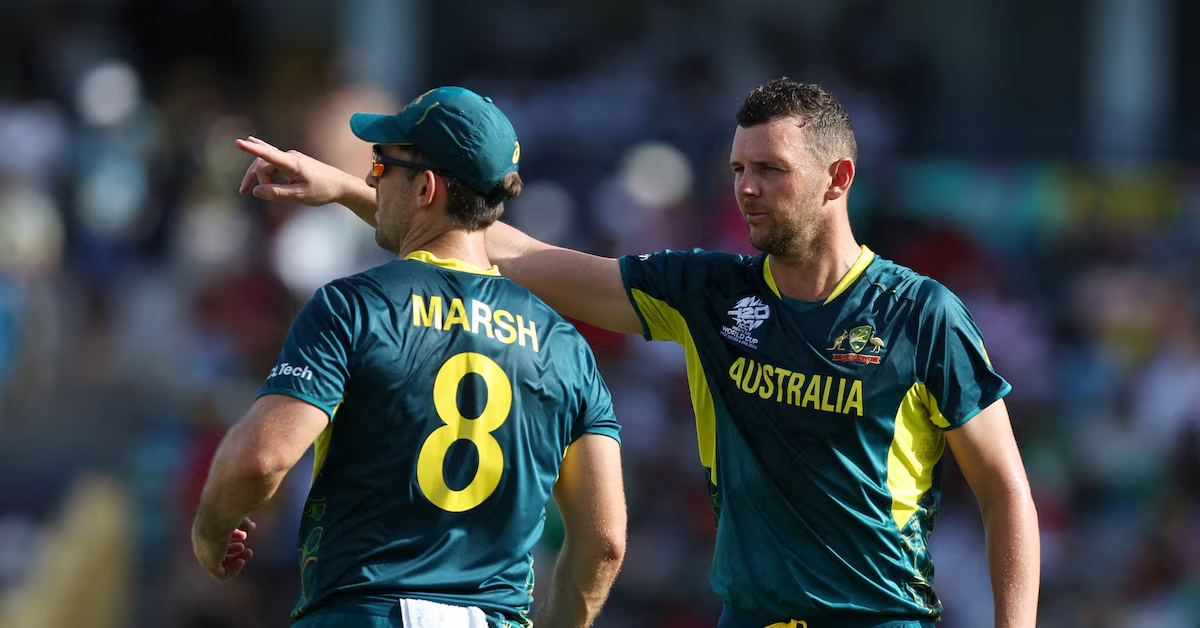

Australia’s shocking departure from the T20 World Cup has triggered serious concerns about the future of their white ball dominance. Once regarded as tournament specialists, the former champions have endured one of the most disappointing campaigns in their limited overs history. With injuries, inconsistent form, and limited preparation heading into the event, the warning signs were already visible.
Under the leadership of Mitchell Marsh, Australia suffered embarrassing defeats against Zimbabwe and Sri Lanka. A rain affected fixture ultimately sealed their early exit, leaving fans stunned and critics questioning team selections and management decisions. The absence of key fast bowlers such as Mitchell Starc, who has stepped away from T20 internationals, along with injured stars Pat Cummins and Josh Hazlewood, exposed the team’s lack of depth in crucial moments.
Now left with a dead rubber against Oman, Australia faces uncomfortable questions. Senior players like Steve Smith, Marcus Stoinis, and Glenn Maxwell are nearing the latter stages of their careers. Smith has openly expressed his ambition to compete in the 2028 Olympics, but age and fitness remain concerns.
The upcoming Olympic cricket tournament in Los Angeles adds further pressure. With world rankings likely determining qualification, this early elimination could hurt Australia’s chances. Meanwhile, regional rivals New Zealand have strengthened their position with a solid campaign.
Selectors have attempted to introduce fresh talent, yet few newcomers have delivered consistent performances. The current situation clearly signals the need for a structured rebuild. With a home T20 World Cup scheduled in 2028 and Olympic ambitions on the line, Australia must quickly rediscover its identity and restore the aura that once made them global powerhouses.