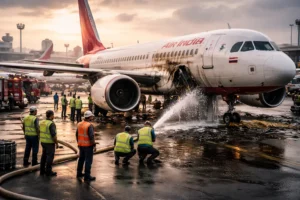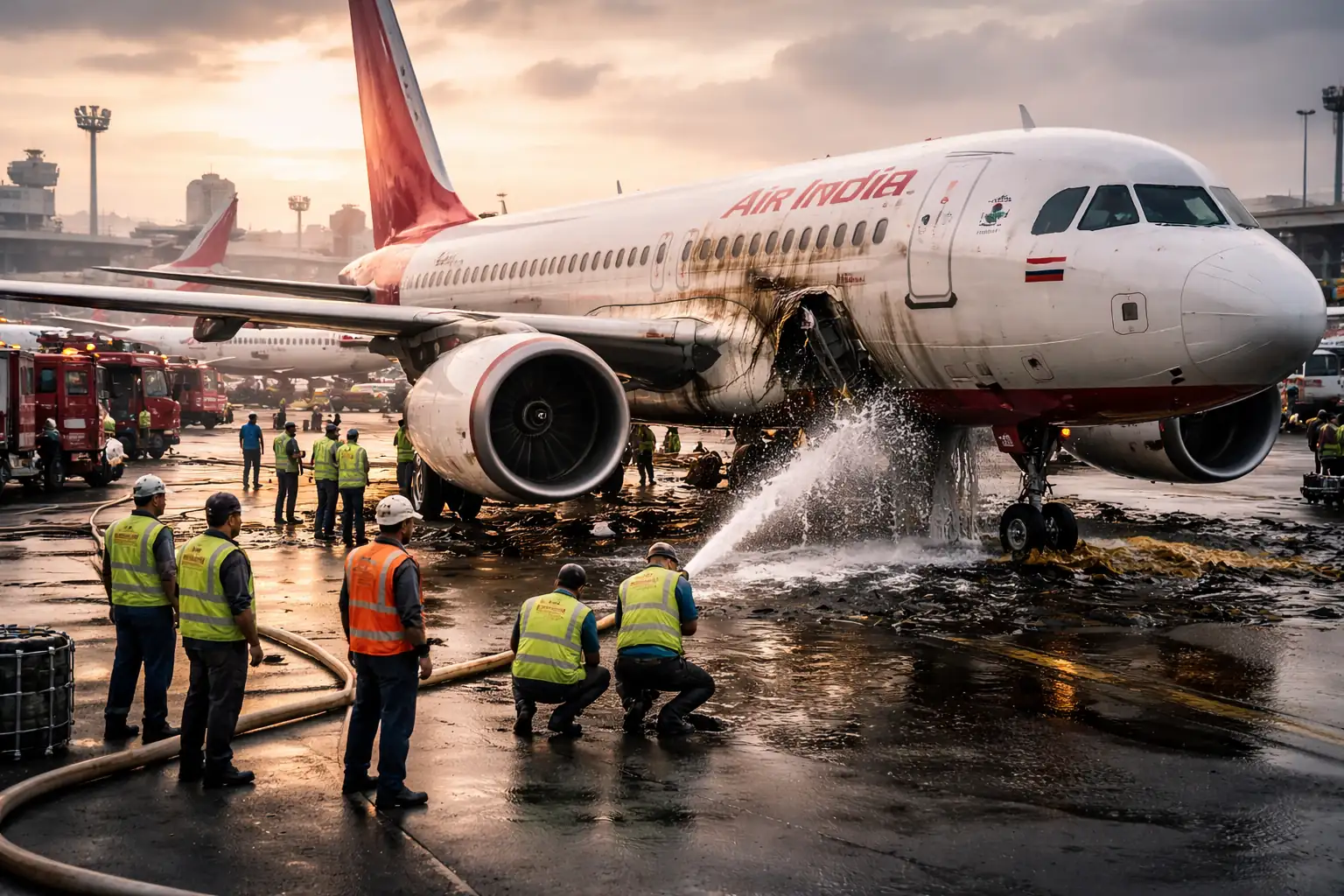

Air India incidents have surged to a 14 month high, raising serious concerns about the airline’s safety standards and technical reliability. According to internal company data, technical problems such as fuel leaks, engine oil leaks, and system malfunctions reached their highest recorded level in January 2026, highlighting growing pressure on the carrier’s ambitious revamp plans.
Data reviewed by Reuters shows that Air India recorded 1.09 technical incidents per 1,000 flights in January, a massive increase from just 0.26 incidents in December 2024. The airline operated more than 17,500 flights during the month and logged 23 technical incidents, with most of them undergoing formal investigation. These incidents included engine stall warnings, hydraulic system faults, flight control issues, and repeated fuel and oil leakage problems.
India’s civil aviation ministry revealed that 82.5 percent of the 166 Air India aircraft reviewed since January 2025 had recurring technical defects, compared to 36.5 percent for market leader IndiGo. The figures have intensified scrutiny from regulators and the public, especially after a deadly crash last year that killed 260 people.
The airline, now owned by Tata Group and Singapore Airlines, is attempting to rebuild its global image and modernize its aging fleet. However, supply chain delays, maintenance challenges, and fleet aging issues continue to slow progress.
To address the problems, Air India has launched inspection programs for its Airbus fleet, replaced hydraulic systems on Boeing aircraft, and introduced leak detection programs. Targeted engineering reforms are also being implemented to improve aircraft reliability and reduce future incidents.
The rise in Air India incidents has triggered international regulatory attention, further increasing pressure on the airline to restore trust, strengthen safety systems, and protect passenger confidence as it moves forward with its transformation strategy.