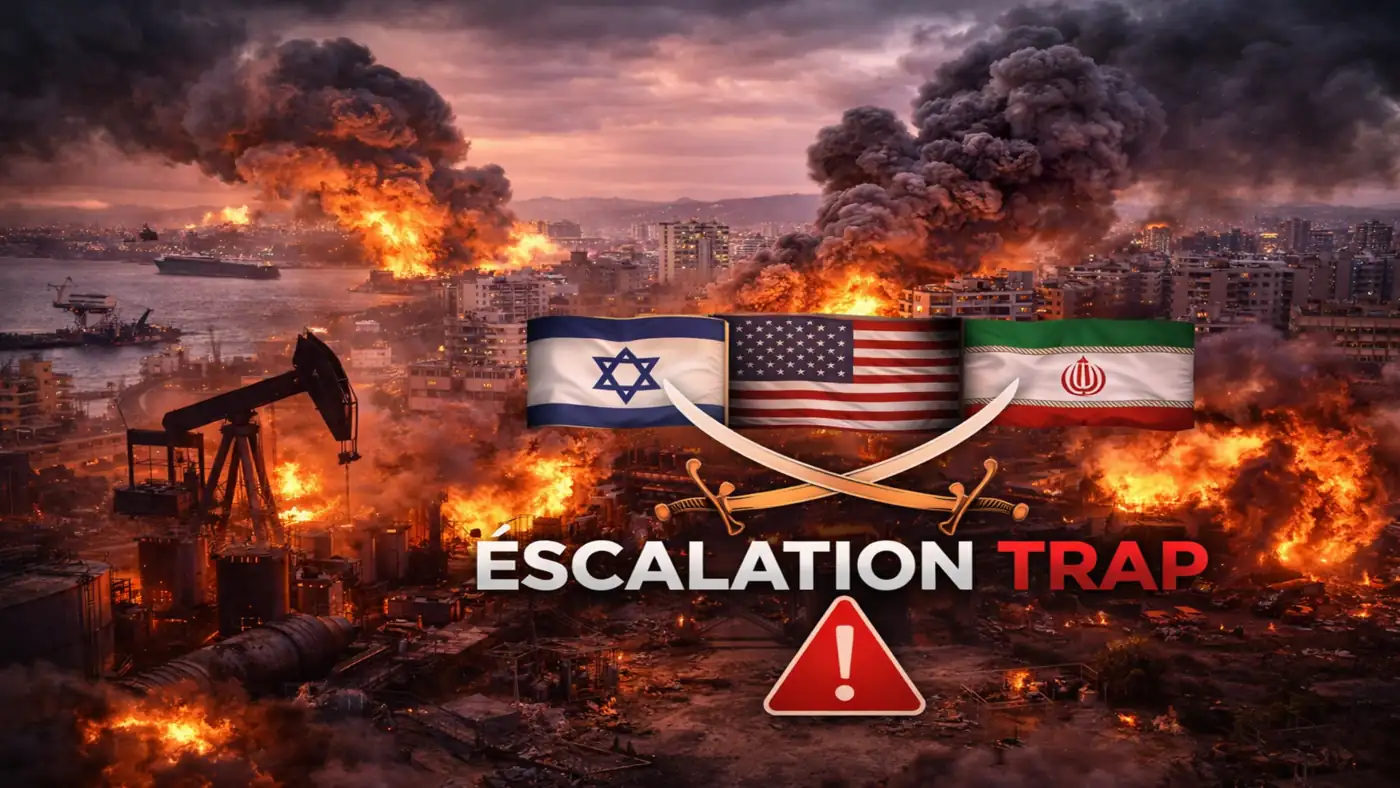

The ongoing crisis in the Gulf region has escalated beyond typical regional conflict, marking a profound shift in the dynamics of modern warfare. Energy resources, particularly oil and gas, have become central targets in this global struggle, moving from a foundation of shared prosperity to instruments of war.
US President Donald Trump’s statements have added new clarity to the situation, signaling a shift from conventional military confrontations to energy warfare. The conflict, once limited to covert operations and proxy engagements, has now expanded into direct disruption of energy systems, maritime chokepoints, and global supply chains. This transition has increased the unpredictability of the crisis, raising the stakes for all involved.
As energy infrastructure becomes a primary target, the potential for cascading effects grows. The Gulf is a critical hub for global energy, and any disruption could trigger price volatility, industrial slowdowns, and financial instability. Markets are already reacting, with fluctuations in oil prices due to perceived risks.
For countries like Pakistan, this crisis has immediate economic consequences, with rising energy costs and inflation impacting national economies. The Strait of Hormuz, a vital maritime chokepoint, lies at the heart of this conflict. Iran’s strategic control over this passage further amplifies the crisis, with each escalation triggering disproportionate reactions on a global scale.
Despite the severity, experts argue that de-escalation is still possible. Urgent action is required to stabilize the situation, including an immediate framework for peace, safeguarding maritime passage, and reviving diplomacy. Without effective dialogue, the cycle of escalation may spiral into a catastrophe, with far-reaching consequences for both the region and the world.
In this new phase of warfare, the Gulf crisis challenges long-held norms about the protection of global infrastructure, pushing the world toward an uncertain future.