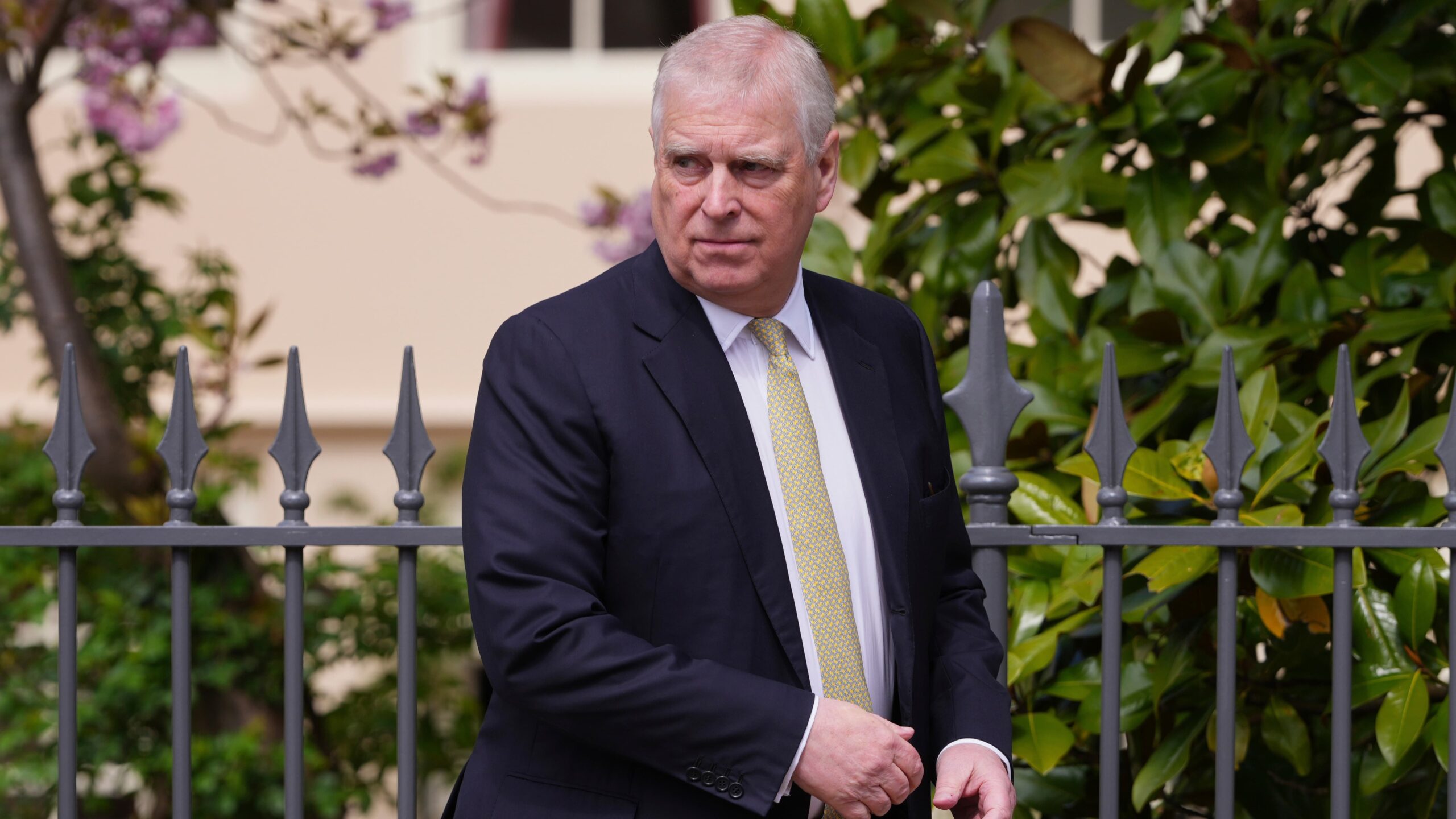

Prince Andrew, also known as Andrew Mountbatten-Windsor, is facing increasing scrutiny as fresh developments surface in the ongoing investigation into his alleged activities. The matter has reportedly triggered serious discussions within the royal family.
Last week, the office of King Charles III confirmed that Buckingham Palace would fully cooperate if approached by Thames Valley Police regarding the probe. The statement made it clear that any official inquiry would receive complete support and cooperation.
Prince Andrew has been linked to convicted sex offender Jeffrey Epstein, with allegations suggesting he may have shared confidential state information and maintained questionable associations. Concerns were raised about the investigation’s integrity due to royal connections. However, Stephen Parkinson, the Director of Public Prosecutions, firmly dismissed such worries.
“Nobody is above the law,” Parkinson stated, emphasizing that the law is enforced without fear or favour, regardless of an individual’s status or position. He also expressed full confidence in the police to carry out their responsibilities independently.
Reports claim that emails from November 2010 allegedly show Prince Andrew forwarding confidential documents to Epstein just minutes after receiving them. At the time, Andrew was serving as the UK trade envoy and had attended official meetings in China, Hong Kong, Singapore, and Vietnam.
Further revelations suggest that David Stern, a German businessman who once described Epstein as his “boss,” accompanied Andrew on a government-funded trade mission in October 2010. During the trip, there were reportedly Skype communications with Epstein.
Leaking classified government information is considered a criminal offence in the UK and can result in imprisonment. As the probe gains momentum, the royal household may need to prepare for potential legal consequences if formal proceedings proceed.