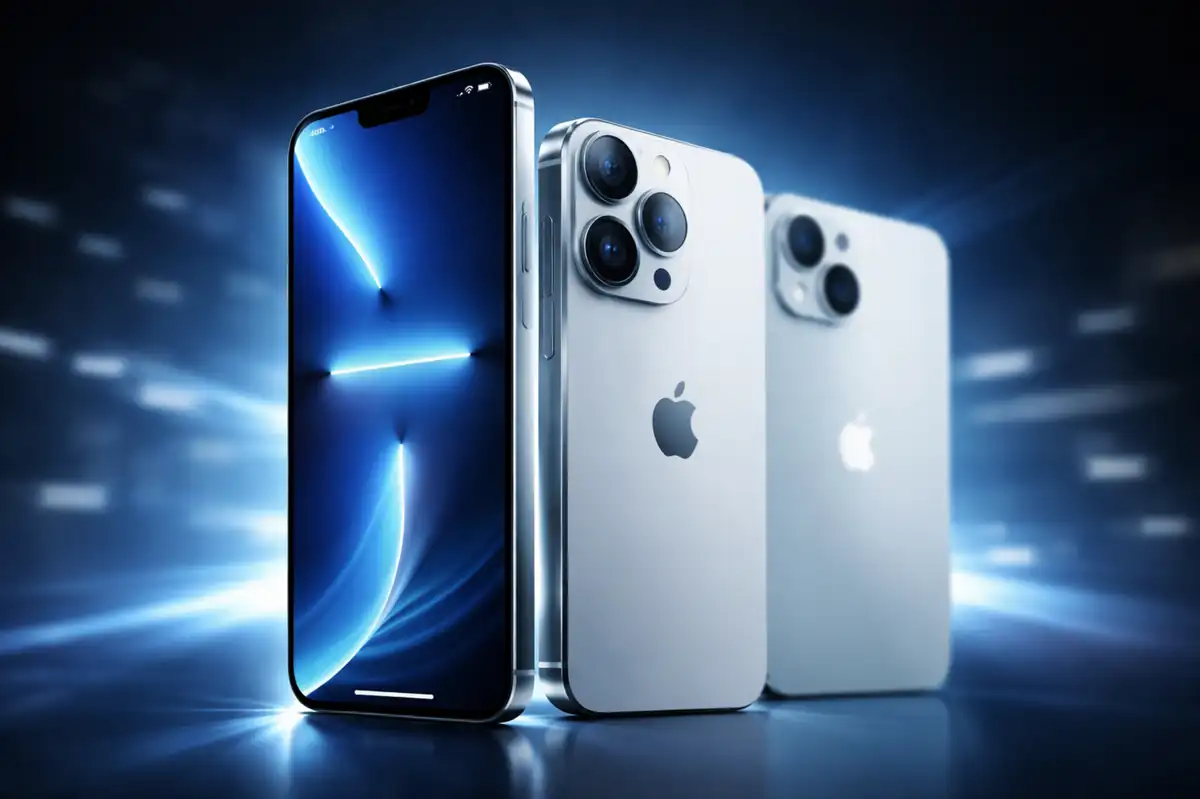

Apple is reportedly preparing a major shift in its iPhone release strategy, as new information suggests the iPhone 18 launch will be divided into two separate phases. According to recent reports circulating in the tech world, only the iPhone 18 Pro will arrive in late 2026, while the standard model will be delayed until the first half of 2027.
The news has sparked intense discussion among smartphone enthusiasts, especially as Apple and Samsung gear up for their next flagship cycles. Industry insiders claim that this decision is not random. Instead, it is a strategic move to optimise resources and maximise profits during a time of complex manufacturing demands.
Reports indicate that Apple wants to prioritise premium models, which traditionally generate higher revenue and stronger early demand. By focusing on the iPhone 18 Pro first, Apple can streamline production and manage shipments more efficiently. This approach also aligns with the company’s broader marketing strategy that emphasizes high-end devices.
Another key factor behind the delayed base model is Apple’s work on upcoming innovations, including the much-anticipated foldable iPhone. Managing production for multiple advanced devices at the same time could strain the supply chain. Delaying the standard iPhone 18 may help Apple reduce production pressure and avoid shortages.
In addition, Apple is reportedly expanding its supplier network. The company has invited more component manufacturers and material suppliers to participate in regular meetings at Apple Park. This move aims to ensure a steady supply of parts throughout 2026 and beyond, especially amid ongoing global chip shortages.
There are also hints that Apple is developing a redesigned iPhone Air, though its launch timeline remains unclear. While this adds excitement, it further explains why Apple might stagger its releases.
By splitting the iPhone 18 launch, Apple could also avoid significant price increases. Managing costs more effectively may help the company keep pricing competitive while still delivering premium features. Overall, this calculated delay reflects Apple’s effort to balance innovation, supply stability, and profitability.