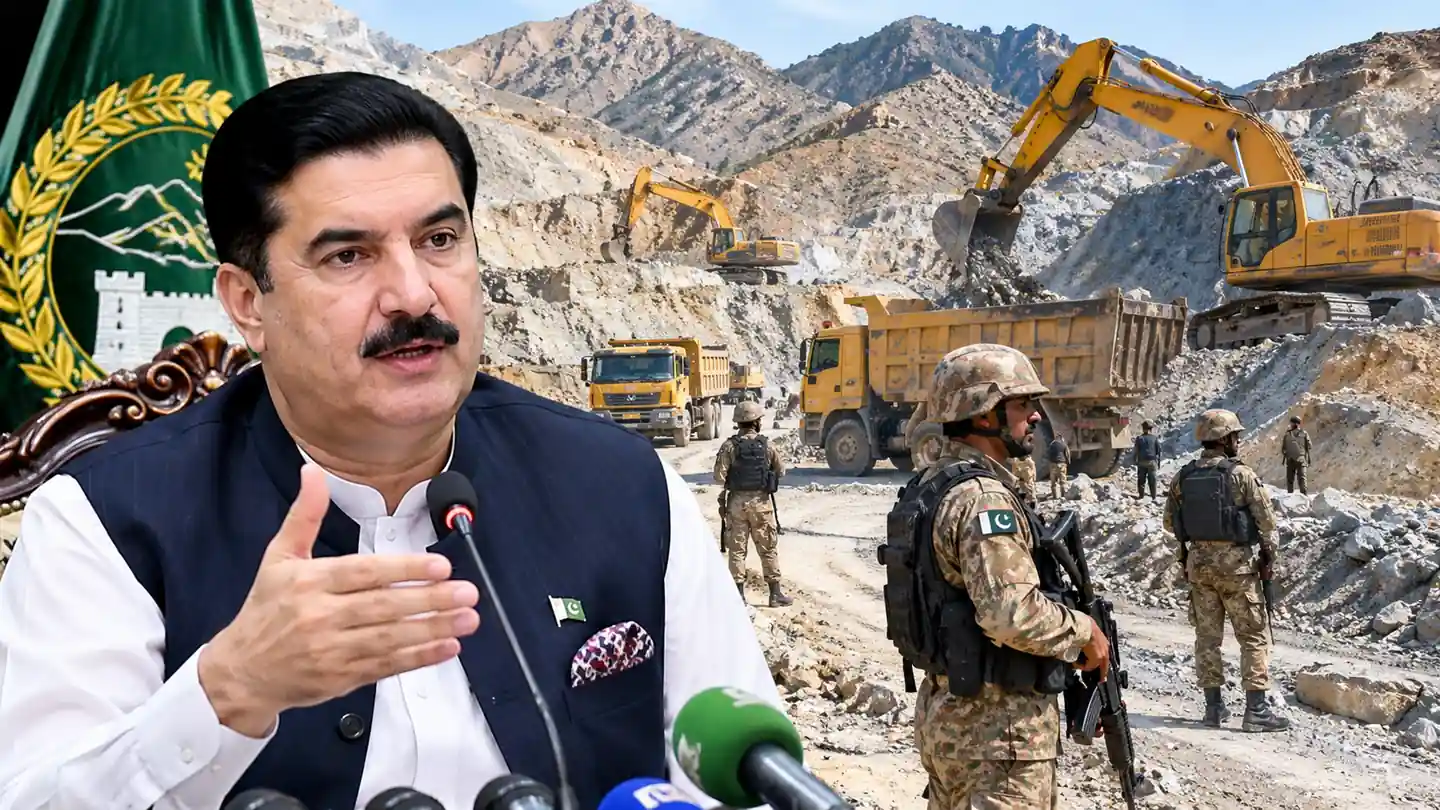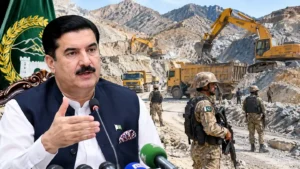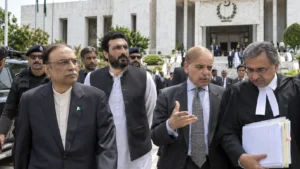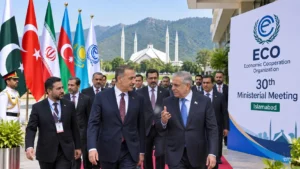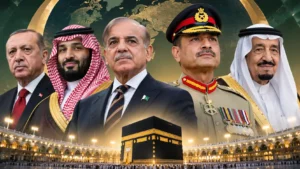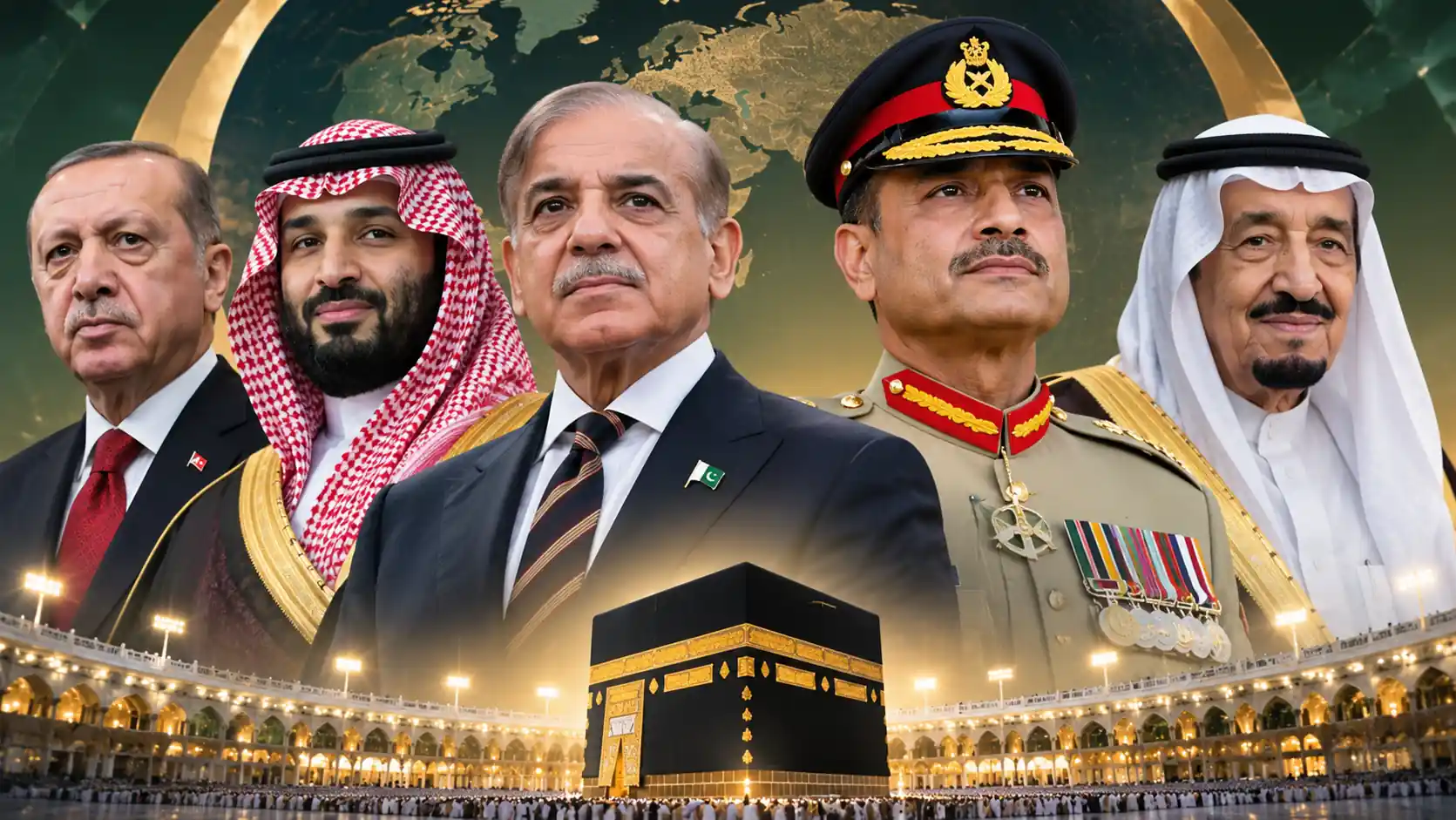

Prime Minister Shehbaz Sharif and Field Marshal Asim Munir have jointly claimed the top position in the 2027 edition of the world’s 500 most influential Muslims list. The ranking also places Saudi King Salman, Crown Prince Mohammed bin Salman, and Turkish President Recep Tayyip Erdogan in the same shared first spot.
This is the first time the annual publication has given multiple people the number one ranking together. The list is prepared by the Royal Islamic Strategic Studies Centre based in Amman, Jordan. The organisers explained that the unusual joint top position reflects a major change in how Muslim countries are cooperating on security.
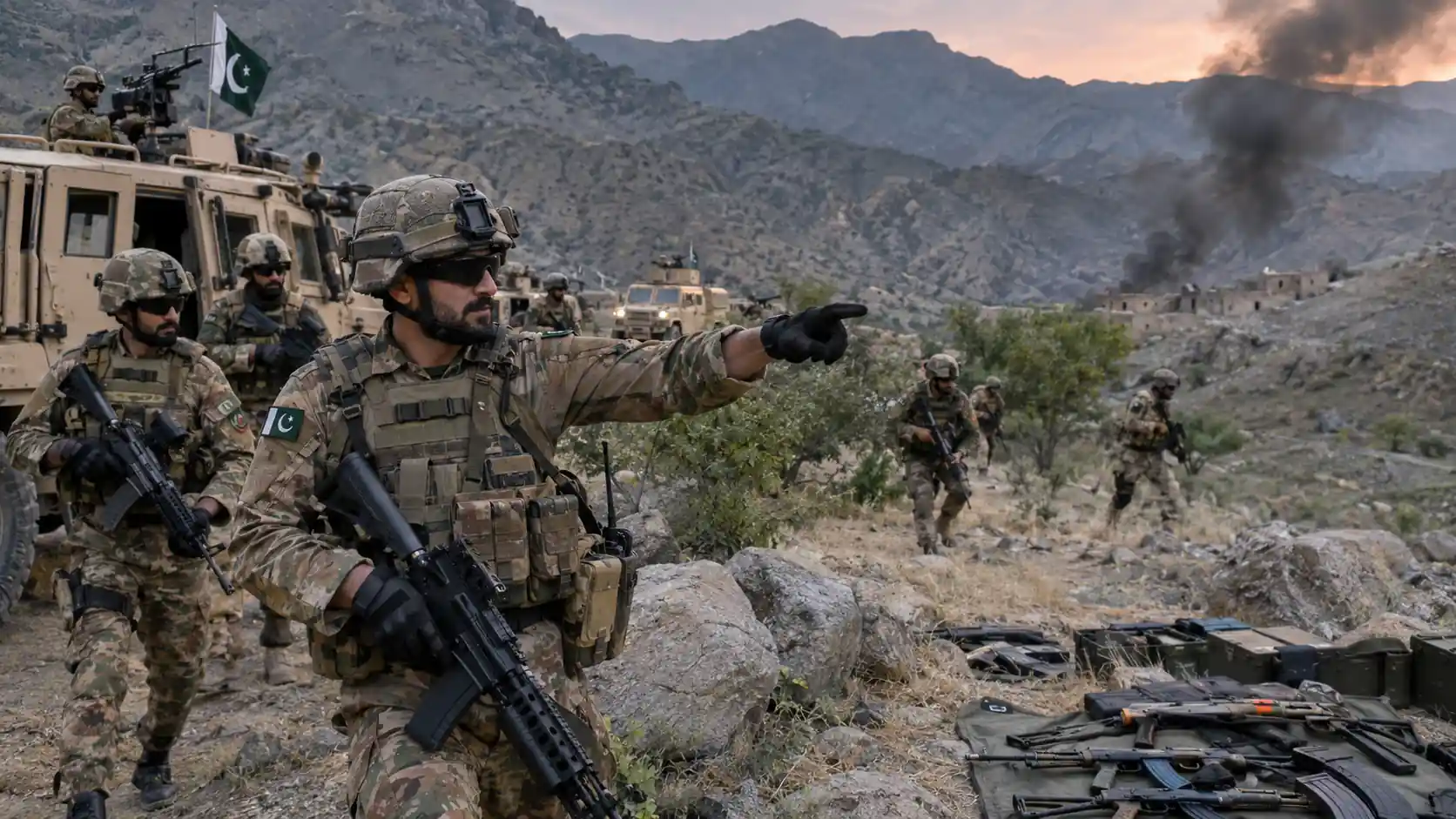
The main reason behind this decision is the Makkah Joint Defence Agreement. Signed on August 7, 2026, and activated during an emergency summit in Riyadh, the pact brings together Saudi Arabia’s financial strength, Turkiye’s advanced technology and manufacturing capacity, and Pakistan’s military power. The agreement works on a simple “one for all, all for one” principle and has already started reshaping regional politics.
Iran’s Supreme Leader Ayatollah Mojtaba Khamenei stands at number four, followed by Jordan’s King Abdullah II at fifth and Qatar’s Emir Sheikh Tamim bin Hamad Al Thani at sixth. Pakistani religious scholar Sheikh Muhammad Taqi Usmani is ranked seventh. UAE President Sheikh Mohamed bin Zayed Al Nahyan appears at 12th, while Egyptian President Abdel Fattah el-Sisi is placed 22nd. Another well-known Pakistani scholar, Maulana Tariq Jameel, holds the 32nd position.
Football star Mohamed Salah is ranked 39th and Palestinian President Mahmoud Abbas is at 45th. New York City Mayor Zohran Mamdani enters the list at number 49.
The report also notes that Pakistan has faced economic pressures and complex diplomatic challenges over the past year. Despite these difficulties, the country managed to stabilise its economy while carefully balancing relations with major global powers. The joint top ranking of Shehbaz Sharif and Field Marshal Asim Munir is being seen as recognition of Pakistan’s growing role in regional security arrangements.
This year’s list highlights how defence cooperation and political leadership are increasingly shaping influence across the Muslim world.