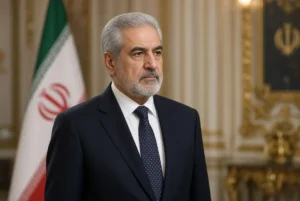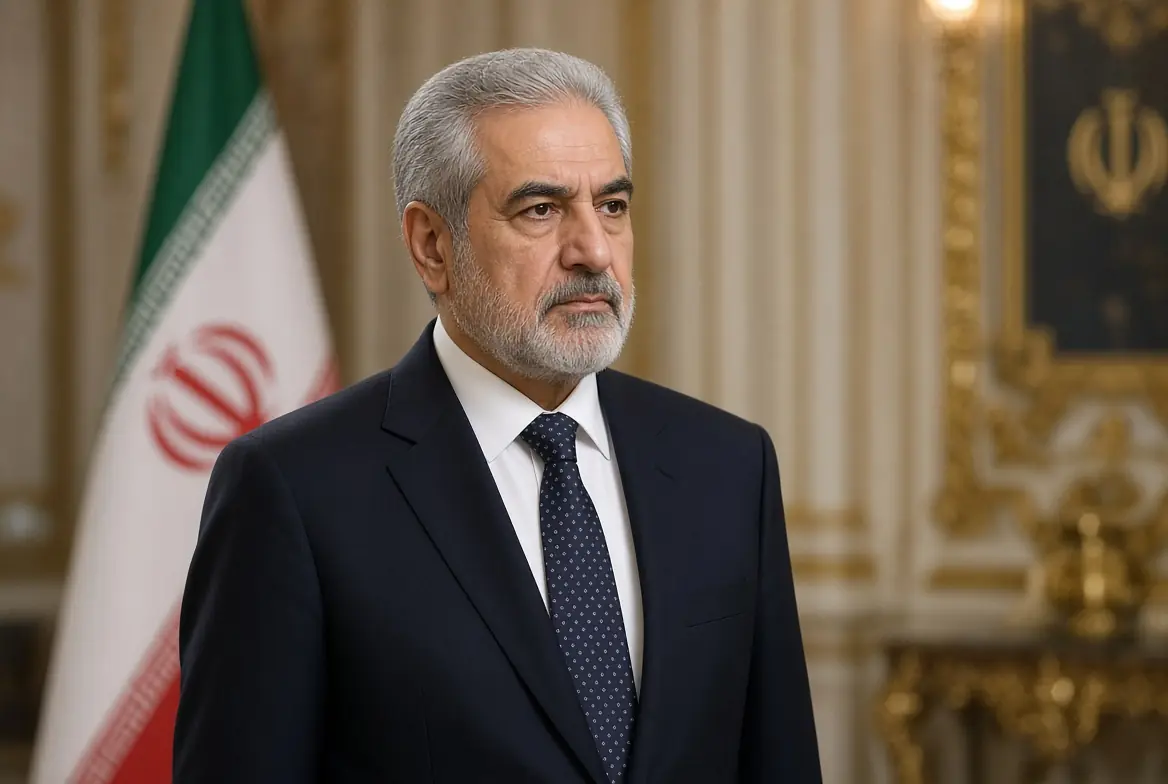

Iran has appointed Mohsen Rezaei as the new secretary of its Supreme National Security Council. This move elevates a longtime ally of Supreme Leader Ayatollah Mojtaba Khamenei to a central position more than five months into the ongoing conflict with the United States. Rezaei takes over from Mohammad Baqer Zolqadr, who has now been named political adviser to Khamenei. The council coordinates the country’s security and foreign policy and is chaired by President Masoud Pezeshkian.
At 71, Rezaei brings decades of experience. He joined the Islamic Revolutionary Guard Corps soon after the 1979 Islamic Revolution and became its commander in 1981 at the young age of 27. He led the force for 16 years, including most of the Iran-Iraq war from 1980 to 1988. During that time he oversaw major growth in its ground, naval and air forces. Rezaei belongs to the generation of IRGC commanders who rose from the revolutionary underground and later shaped Iran’s security system.
After leaving the IRGC command, he remained a constant presence in politics. He has run for president multiple times and served as vice president for economic affairs from 2021 to 2023 under the late President Ebrahim Raisi. He holds a doctorate in economics from the University of Tehran.
In March, following the death of Ayatollah Ali Khamenei at the start of the US-Israeli war on Iran, Rezaei was named military adviser to the new supreme leader, Mojtaba Khamenei. He has spoken often during the conflict, expressing strong doubts about talks with the United States and issuing sharp warnings. In April he said a US ground invasion would be “great” because Iran could take thousands of hostages and demand a billion dollars for each one. He also opposed extending any ceasefire. In June, before a memorandum of understanding was signed on 17 June aimed at ending the war, he pointed out ambiguities in the deal. Later that month he accused Washington of breaking the agreement by raising tensions in the Strait of Hormuz.
On Sunday the Supreme Leader issued a decree naming Rezaei his representative on the Supreme National Security Council, citing his valuable military experience. Rezaei’s early life also shaped his path. As a teenager he opposed the Pahlavi monarchy and was imprisoned by SAVAK in 1973. He helped form the Mansouroun group, whose members later filled senior ranks in the IRGC.
This appointment strengthens the inner circle around Mojtaba Khamenei at a critical moment for Iran’s security leadership.