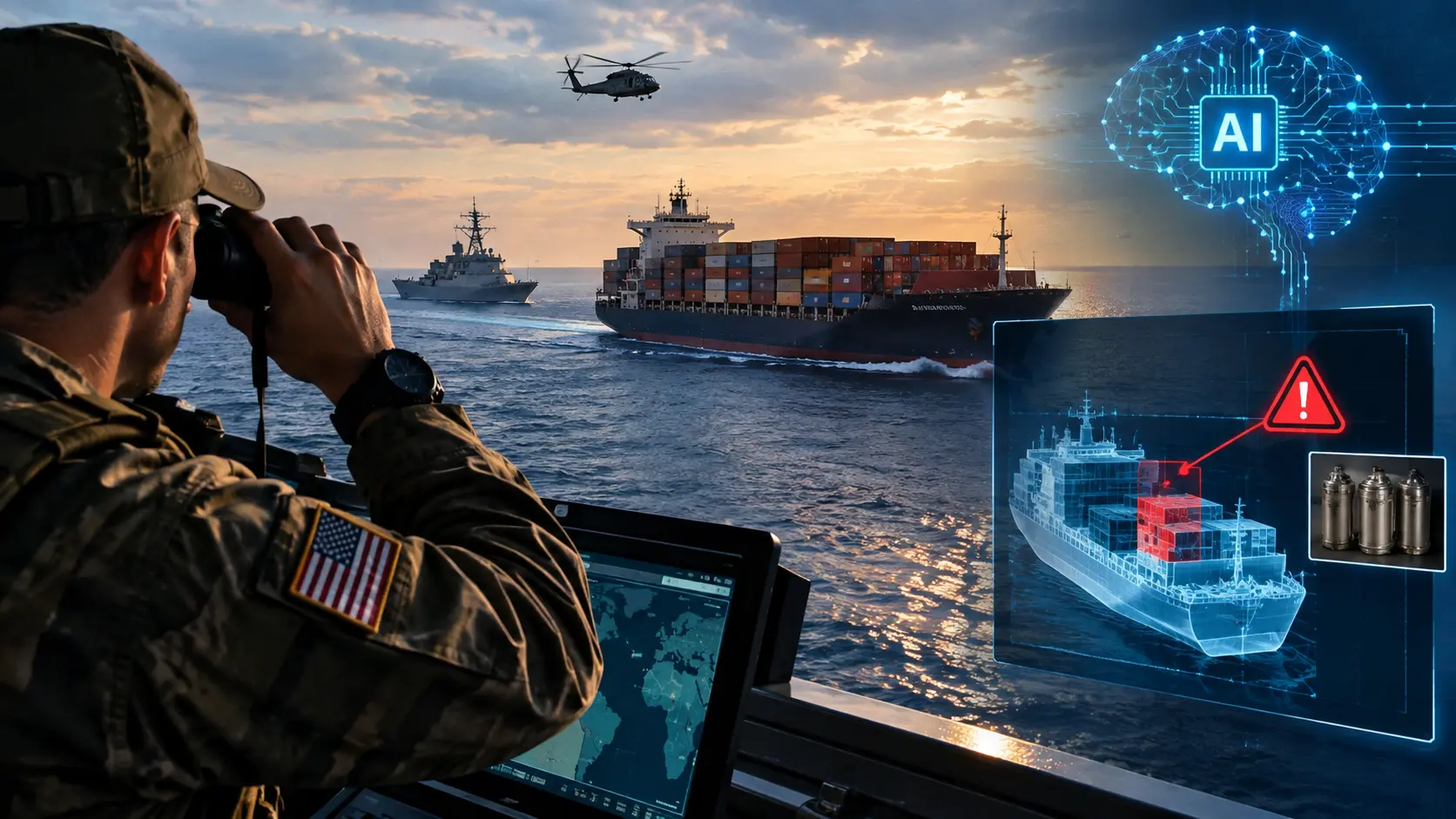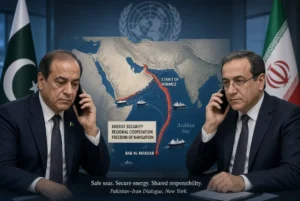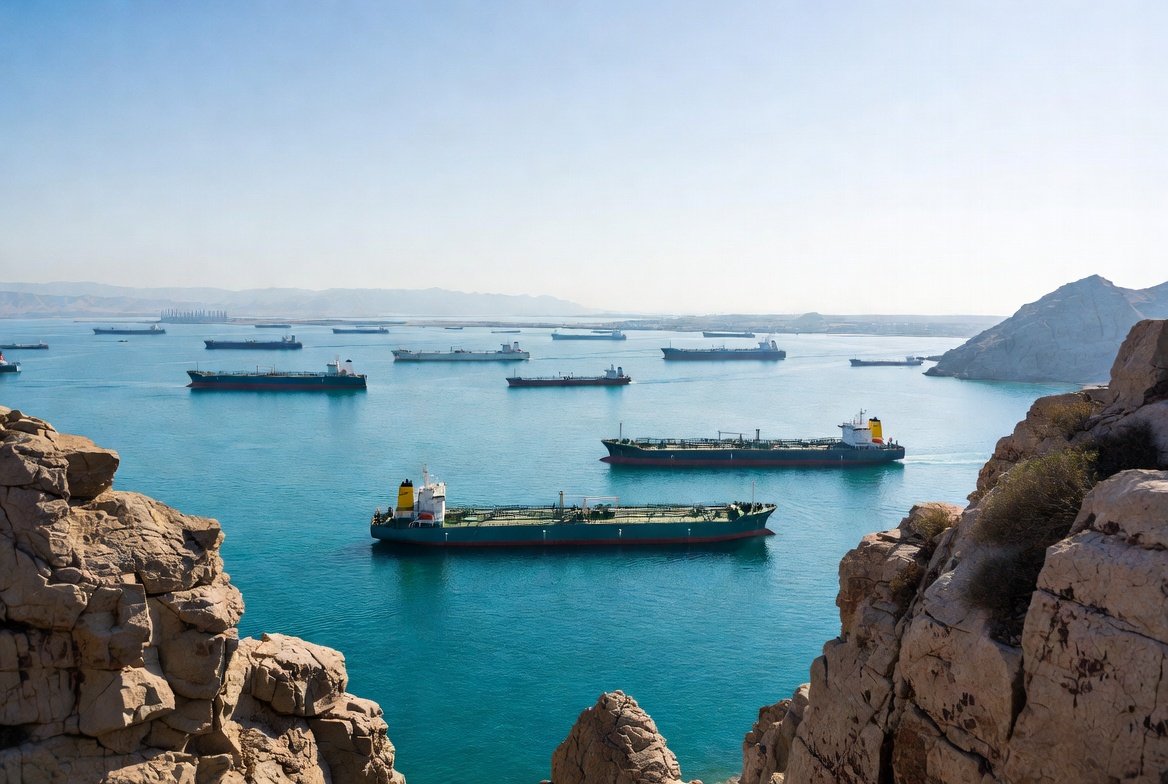

Iran and Oman are discussing a proposed deal that would hand Tehran control over ships entering the Gulf through the Strait of Hormuz, according to a senior Iranian source and two regional officials. The arrangement represents one of the largest concessions yet offered to Iran during the ongoing conflict.
One regional source confirmed that some form of control over the waterway has already been conceded in principle. Another official stressed that key details remain unresolved, especially how “control” would work in practice. Gulf negotiators want regional countries to supervise any ship inspections and insist that fees, if charged, must stay voluntary.
The senior Iranian source said the current draft text gives Iran authority over vessels heading into the Gulf. The main remaining dispute concerns what role Tehran would play over ships traveling in the opposite direction. No immediate response came from Washington after the details surfaced.
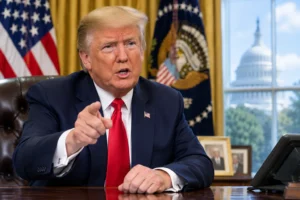
US officials have long insisted they will never accept an arrangement that lets Iran control access to the world’s most important energy trade route. Yet President Donald Trump has repeatedly claimed talks are progressing well and that the strait will reopen soon. He told Fox News that negotiations were “moving along nicely” after an all-day session and warned Iran would face heavy consequences if it backed out again.
Oil prices edged higher after Yemen’s Houthis claimed another strike on a Saudi-flagged tanker in the Red Sea. Global crude still sits near its lowest levels since early July, following Trump’s decision to pause further attacks while talks continue.
Iran has rejected earlier Omani proposals that offered it too little influence. A senior Iranian source noted that Foreign Minister Abbas Araqchi is currently on holiday and described any final agreement as premature. Another Iranian official warned that a single tweet from Trump could still collapse the entire process.
Before the war the strait operated freely with no fees. Iran is now seeking charges of 5 to 7 percent of cargo value, while Oman has floated lower voluntary fees around 3 percent. Washington wants none at all. Months of military pressure have failed to loosen Iran’s grip on the waterway, and any deal granting Tehran even partial control would mark a major shift in regional power.