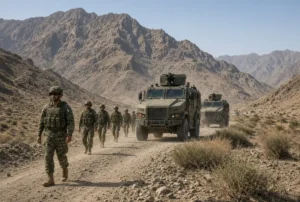

The United States and Iran continued exchanging military attacks for a seventh consecutive night, raising fears that the conflict could expand into a wider regional war. The renewed fighting follows the collapse of a fragile ceasefire agreement reached just days earlier, with both countries targeting strategic military positions and disrupting vital shipping routes in the Middle East.
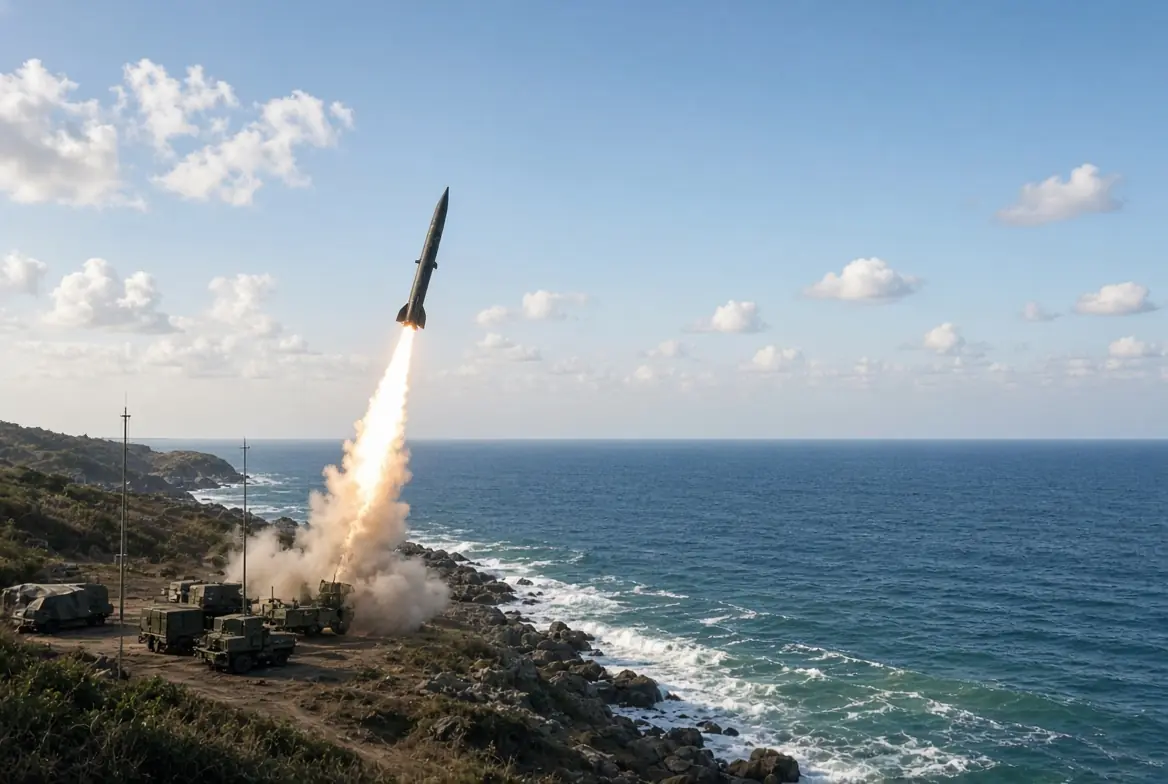
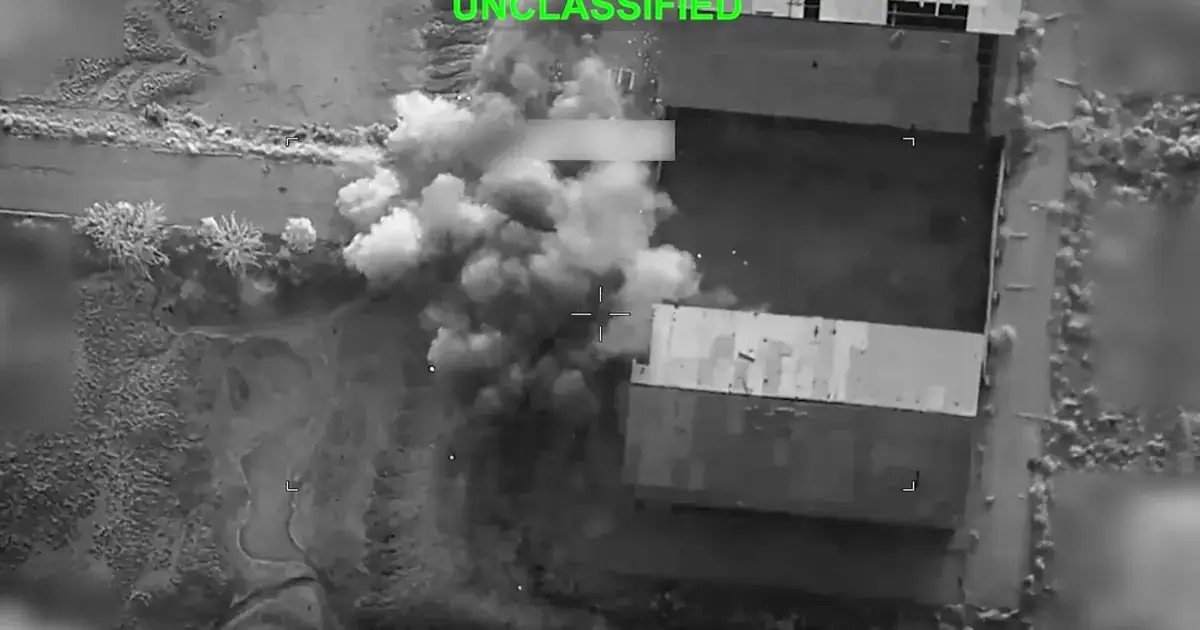
According to the US military, its latest operations targeted Iranian surveillance systems, military logistics infrastructure, underground weapons storage facilities, and maritime capabilities. The US Central Command stated that fighter jets, drones, warships, and other military assets were involved in the coordinated strikes. Officials added that more than 50,000 American troops remain deployed across the region and are prepared for further operations if required.
In response, Iran launched attacks on US linked facilities in Kuwait and Jordan, while also claiming to have intercepted vessels attempting to pass through the Strait of Hormuz without complying with its regulations. Iranian officials warned that continued US military action could further disrupt the export of oil, gas, and chemical products, increasing concerns about global energy supplies.
The conflict has also affected civilian infrastructure. Iranian media reported that missile strikes damaged power stations and desalination facilities in the southern city of Jask, leaving several nearby villages without drinking water. Additional explosions were reported across several Iranian provinces, causing casualties and damage to bridges, roads, and other public infrastructure.
The United Nations expressed deep concern over the growing violence, particularly attacks affecting civilian infrastructure. UN Secretary General Antonio Guterres called for restraint and emphasized the importance of protecting civilians during the conflict.
The ongoing hostilities have already impacted international markets, with oil prices rising sharply as investors worry about possible disruptions in one of the world’s most important energy corridors. Analysts warn that if military operations continue or expand, global energy prices and regional security could face even greater uncertainty in the coming weeks.